
Blog / Anniston Hyundai Service

Understanding Dash Lights: What They Mean for Anniston Drivers

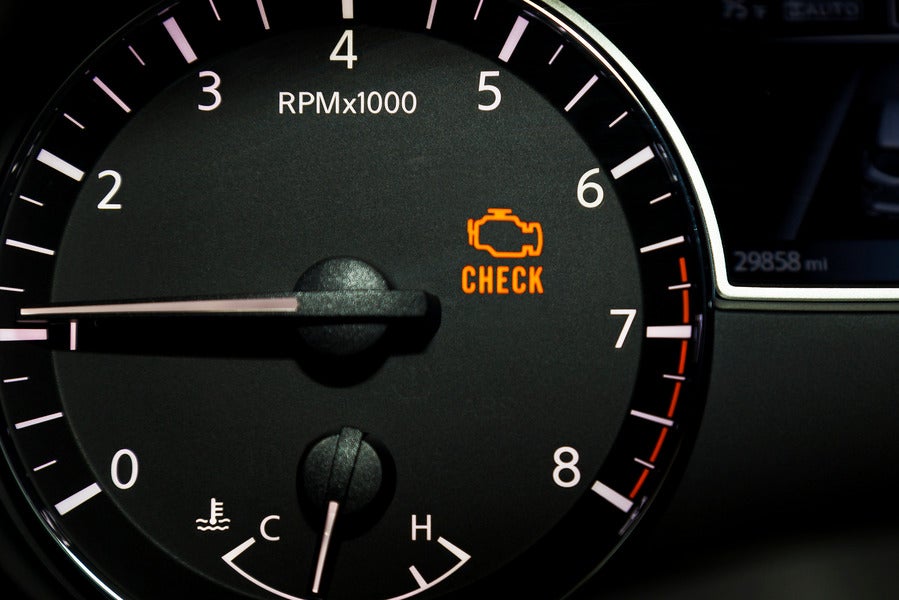
Check engine light - Understanding Dash Lights: What They Mean for Anniston Drivers

Dash lights are your car’s way of talking to you. Not in a calm, thoughtful, “let’s sit down and discuss this” kind of way. More like a sudden blinking message that says, “Hey. Something’s happening. You might want to pay attention!” 

Some of these lights are harmless. Some are not. The trick is knowing which is which before you decide to ignore it and hope it goes away on its own, which, for the record, is rarely a winning strategy. 

Common Dash Lights and Their Meanings 

  • Check Engine Light 

This is the one that causes immediate suspicion. The check engine light can mean something minor, like a loose gas cap, or something more serious that will not politely fix itself. 

If it is steady, you have a little time to get it checked. If it is flashing, that is your car’s version of urgency. That is not a suggestion. That is a “please stop ignoring me” situation. 

  • Battery Warning Light 

This light points to your charging system. It could be the battery, the alternator, or wiring that has decided to stop cooperating. 

If it comes on while you are driving, your vehicle is running on borrowed time. Once the battery drains, the car stops. Not gradually. Just stops. It is best to head somewhere safe before that happens. 

  • Oil Pressure Warning Light 

This one is serious in a quiet, no-nonsense way. Low oil pressure means the engine is not being properly lubricated. 

Driving with this light on is like running a marathon with no water. Things wear out fast, and the damage is not subtle. If this light appears, it is time to shut the engine down and figure out what is going on. 

How to Respond to Dash Lights 

  • Immediate Action vs. Routine Maintenance 

Not every light means panic. The low fuel light is just your car reminding you that gas stations exist. Others, like a flashing check engine light or oil pressure warning, are a different story. 

A good rule is this. If the vehicle still feels normal and the light is steady, you can usually schedule service soon. If something feels off, sounds strange, or the light is flashing, it deserves immediate attention. 

  • Consult Your Owner’s Manual 

Every vehicle has its own set of symbols, and some of them look like they were designed by someone who enjoys puzzles. 

Your owner’s manual explains what each light means and how seriously you should take it. It is worth keeping handy, especially the first time a symbol appears that you have never seen before. 

Get Clear Answers in Anniston, AL 

Dash lights are not there to annoy you. They are there to keep small problems from becoming expensive ones. 

At Cooper Hyundai, we use proper diagnostic tools to figure out exactly what triggered the warning. No guessing, no unnecessary replacements, just a clear answer and the right fix so you can get back on the road without worry. 
Posted in:

Related Posts

Brakes FAQ: What Every Driver Should Know About Their Braking System 

Brakes FAQ: What Every Driver Should Know About Their Braking System

A functional braking system is necessary for the safe operation of any vehicle. Drivers can contact Cooper Hyundai in Anniston, AL, to receive professional maintenance for their cars or SUVs. Understanding common questions about brakes can help owners identify potential mechanical issues if they are driving in local traffic or on the highway. What Is the Braking System and Why Does It Matter? The braking system is one of the most critical safety features on a vehicle. When a driver presses the brake pedal, a series of components work together to slow the car. Recognizing how these parts function helps maintain safety if you are commuting through Anniston, Alabama, or traveling on the highway. What Are the Main Components That Make Up the Brakes? The braking system consists of several parts. Each component performs a specific role in stopping the vehicle. Brake Pedal and Master Cylinder The brake pedal is the contact point for the driver. When it is pressed, the master cylinder converts physical pressure into hydraulic pressure. This pressure travels through lines to the components that slow the wheels. Brake Lines and Brake Fluid Brake lines are tubes that carry hydraulic fluid to each wheel. Brake fluid is the medium used to transmit force. Over time, this fluid can absorb moisture and reduce stopping performance. Brake Calipers Calipers are devices that hold the brake pads. They squeeze the pads against the rotor when the driver applies the brakes. This action creates the force needed to slow the vehicle. Brake Pads Brake pads are 1 of the most recognized parts of the system. They provide the friction material that presses against the rotor. These pads wear down over time and require regular replacement to maintain stopping power. Rotors Rotors are metal discs attached to each wheel hub. When the pads clamp against the rotor, friction is created to stop the wheel. Rotors can warp or develop grooves if the pads become too thin. Brake Drums and Wheel Cylinders Some vehicles use drum brakes on the rear wheels. In this system, wheel cylinders push brake shoes against the inside of a drum. These components serve the same purpose as disc brakes. Anti-Lock Braking System (ABS) The anti-lock braking system is an electronic safety feature. It prevents the wheels from locking during hard braking. ABS is a standard feature on all modern Hyundai vehicles. What Are the Signs That My Brakes May Be Failing? Drivers should monitor their vehicles for signs of brake wear. Identifying these indicators early can prevent mechanical failure. Squealing or Squeaking Sounds A high-pitched squeal often indicates that the wear sensor is touching the rotor. This sound means the brake pads are low and need an inspection. Grinding Noises A grinding sound is an urgent warning. It typically means the friction material is gone and metal is contacting metal. This condition can damage the rotors. Soft or Spongy Brake Pedal A pedal that feels soft may indicate air in the lines or a problem with the master cylinder. Any change in pedal feel requires immediate attention from a technician. Vehicle Pulling to the Side If a vehicle pulls to the left or right during braking, it may indicate a stuck caliper. This issue can also be caused by uneven pad wear. Vibration When Braking A vibrating sensation in the pedal often points to warped rotors. This happens when the rotors overheat. Warped rotors reduce the consistency of the contact between the pads and the disc. Illuminated Brake Warning Light Hyundai vehicles include a brake warning light on the dashboard. This light signals low fluid or an issue with the ABS. Owners should have the vehicle checked if this light activates. How Often Should Brakes Be Inspected? Brakes should be inspected at least 1 time per year. Brake pads usually require replacement every 25,000 to 70,000 miles. Driving habits and road conditions affect how quickly these parts wear out. The service team at Cooper Hyundai in Anniston, AL, provides inspections and repairs for all braking components. Trained technicians can check the pads, rotors, calipers, and ABS. Drivers should schedule an appointment if they notice any changes in vehicle performance. Every part of the braking system must work correctly to ensure safety. Maintaining the master cylinder, brake lines, and pads helps the vehicle stop efficiently. If you have more questions, contact the Cooper Hyundai team in Anniston, AL, to speak with a service consultant.

A mechanic rotating a tire - Tire Rotation: The Surprisingly Serious Art of Swapping Tires 

Tire Rotation: The Surprisingly Serious Art of Swapping Tires

Tire Rotation: Why It Matters and How Often to Rotate There are many glamorous aspects of vehicle ownership. Tire rotation is not one of them. No one has ever leaned dramatically against a fender at sunset and whispered, “Tell me more about tread wear patterns.” And yet, this humble maintenance ritual is quietly responsible for keeping your car composed, efficient, and far less likely to behave like a shopping cart with a wobbly wheel. Even Wear Means Better Road Manners Tires do not live equal lives. Front tires typically handle steering forces, braking loads, and the daily indignity of potholes. Rear tires often live slightly easier existences unless towing or spirited driving enters the picture. Over time, this uneven workload creates mismatched wear patterns that can reduce grip, increase road noise, and make handling feel about as reassuring as a folding chair at a family reunion. Regular tire rotation redistributes these stresses. By periodically moving each tire to a different position, drivers can maintain balanced traction, smoother ride quality, and improved fuel efficiency. It also helps extend overall tire lifespan, which your wallet will greet with genuine enthusiasm. The Tire Rotation Process Is More Strategic Than It Sounds This is not simply a game of automotive musical chairs. Rotation patterns vary depending on drivetrain layout, tire design, and manufacturer recommendations. Some vehicles require front-to-rear swaps, others benefit from crisscross patterns that help equalize shoulder wear. During a professional tire rotation at Cooper Hyundai, technicians also inspect tread depth, sidewall condition, and early signs of alignment or suspension concerns. Think of it as a quick health check for the only parts of your vehicle that touch the road. Timing Matters More Than Most Drivers Think A practical guideline is rotating tires every 6,000 to 8,000 miles. Drivers who frequently encounter rough surfaces, steep terrain, or heavier cargo loads may benefit from shorter intervals. Staying consistent with this schedule helps preserve predictable handling and braking performance across changing weather conditions common in the Anniston area. Keep Your Tires — and Your Sanity — in Good Shape Routine tire rotation is one of those unglamorous decisions that pays dividends in safety, comfort, and long-term ownership costs. Schedule your next service visit at Cooper Hyundai in Anniston, AL, and let experienced technicians help ensure every mile feels stable, efficient, and refreshingly drama-free.

How to Choose the Right Hyundai SUV for Your Lifestyle

Why Hyundai SUVs Are Worth Considering If you're trying to figure out how to choose the right Hyundai SUV, you're already asking the right question. Hyundai has been named America's Best SUV Brand for two years in a row, and it's easy to see why. From subcompact options to three-row family haulers, the lineup covers a wide range of needs, budgets, and driving styles - all backed by strong reliability and one of the best warranties in the business. Start With Your Passenger and Cargo Needs The first step in any Hyundai SUV buying guide is figuring out how much space you actually need. If you're driving solo or with one other person most of the time, a smaller SUV like the 2026 Hyundai VENUE or 2026 KONA might be a great fit. They're compact, easy to park, and budget-friendly without feeling cramped. For growing families or those who frequently carry extra passengers, stepping up to the 2026 TUCSON or 2026 SANTA FE gives you noticeably more room. And if you need to seat up to eight people, the 2027 PALISADE or 2026 SANTA FE Hybrid with three-row capability is hard to beat. Think About Your Powertrain Preferences Knowing how to choose the right Hyundai SUV also means thinking about what's under the hood. Hyundai offers gasoline, hybrid, plug-in hybrid, and fully electric options across its SUV lineup. If fuel efficiency is a priority, the 2026 TUCSON Hybrid or 2026 SANTA FE Hybrid are excellent choices, with the Santa Fe Hybrid delivering up to 36 miles per gallon combined. For drivers in Anniston, AL who are ready to go fully electric, the 2026 IONIQ 5 starts at $35,000 and delivers a modern driving experience with impressive range. The 2026 IONIQ 9 takes that further with more space and capability for larger households. Consider the Features That Matter to You Once you've narrowed down size and powertrain, the right Hyundai SUV buying guide will tell you to dig into the features. Hyundai's Bluelink+ connected service lets you remotely start your vehicle, control climate settings, and lock or unlock doors from your phone - all at no extra cost on eligible models. Safety is also a major draw. The 2026 TUCSON earned a 2026 NHTSA 5-Star Overall Safety Rating, which is a meaningful distinction for families and commuters alike. Don't Overlook Ownership Benefits One thing that sets Hyundai apart is what comes with your purchase after you drive off the lot. Every new Hyundai comes with America's Best Warranty, covering your vehicle for up to 10 years or 100,000 miles. You also get 24/7 roadside assistance for five years with no mileage cap, which is a genuinely useful benefit for everyday drivers. Hyundai also offers Car Care Express for fast, convenient maintenance visits - so keeping up with oil changes and routine service doesn't have to disrupt your schedule. How to Take the Next Step If you're still unsure how to choose the right Hyundai SUV after reading through your options, the easiest next step is to explore the lineup in person. Hyundai's Shopper Assurance program makes the whole process more transparent and flexible, with online pricing, test drive options, and even a 3-Day Worry-Free Exchange if you change your mind. Find Your Hyundai SUV at Cooper Hyundai Choosing the right SUV doesn't have to feel overwhelming. By thinking through your space needs, preferred powertrain, must-have features, and long-term ownership value, you can confidently narrow down the Hyundai lineup to the model that fits your life. Visit Cooper Hyundai to explore current inventory and see which Hyundai SUV is the right match for you in Anniston, AL.