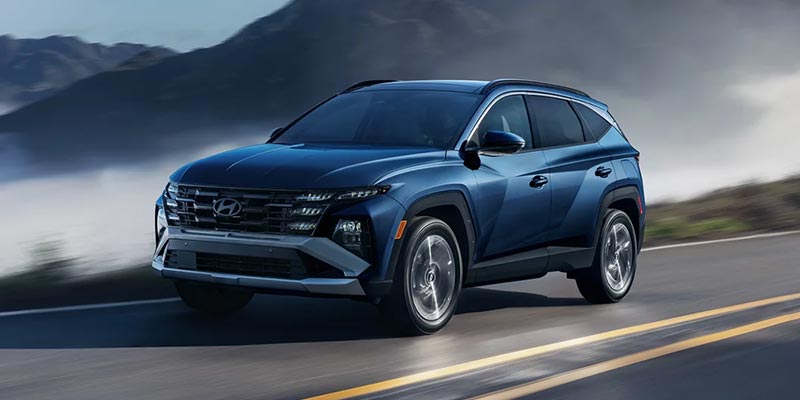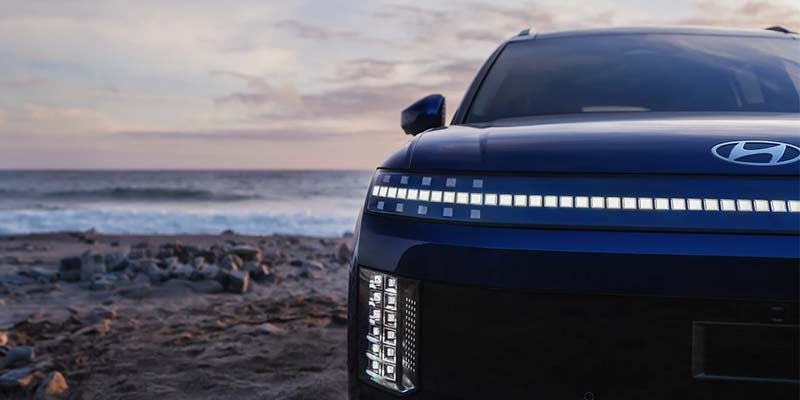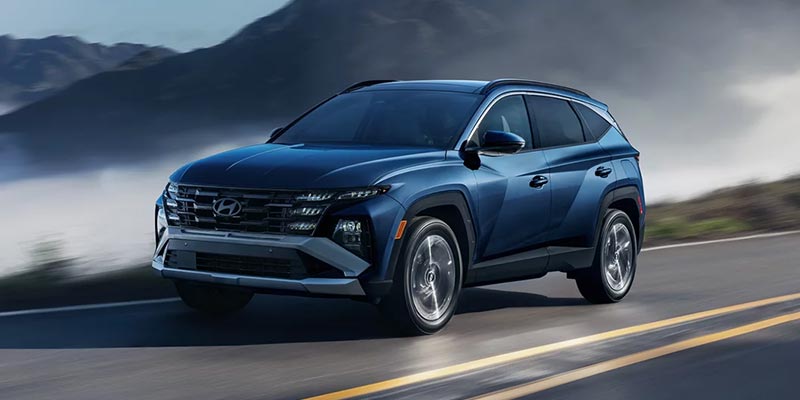



Why Hyundai Is a Smart Choice for Commuters When it comes to finding the best Hyundai models for daily commuting in Anniston, AL, drivers have a lot of great options to consider. Hyundai has built a reputation for producing vehicles that balance fuel efficiency, comfort, and technology - all qualities that matter when you're spending time on the road every day. Whether your commute is a quick 15-minute drive or a longer stretch on the highway, there's a Hyundai commuter vehicle designed to make the trip easier and more enjoyable. The 2026 Hyundai TUCSON Hybrid - A Commuter Favorite The 2026 TUCSON Hybrid is one of the standout choices for everyday driving. Its hybrid powertrain helps reduce fuel stops, and the cabin is thoughtfully designed to keep you comfortable on longer drives. Standard safety features and a user-friendly touchscreen infotainment system make it easy to stay connected and aware throughout your commute. For drivers in Anniston, AL, who want efficiency without giving up interior space or comfort, the TUCSON Hybrid is hard to overlook. The 2026 Hyundai KONA - Compact and Capable If you prefer something smaller and easier to navigate through traffic or tight parking situations, the 2026 KONA is worth a close look. This compact SUV is one of the best Hyundai models for daily commuting because it's nimble, comfortable, and packed with modern features for its size. It offers a responsive driving experience and enough interior space to stay practical for everyday needs. Hyundai commuter vehicles like the KONA prove that you don't need a large vehicle to get a lot out of your daily drive. The 2026 Hyundai IONIQ 5 - A Modern Electric Commuter For drivers ready to make the switch to electric, the 2026 IONIQ 5 brings a compelling option to the table. With its spacious interior, fast-charging capability, and advanced technology features, it's one of the best Hyundai models for daily commuting available today. The IONIQ 5 also comes equipped with Hyundai's Bluelink+ connected car service at no extra cost, allowing you to remotely start the vehicle, adjust climate control, and more - all from your smartphone. It's a practical, forward-thinking option for commuters who want to cut down on fuel costs. The 2026 Hyundai TUCSON - Versatile Everyday Driving The standard 2026 TUCSON offers a well-rounded commuting experience that suits a wide range of drivers. It delivers a smooth, composed ride and comes with Hyundai's impressive suite of standard safety and convenience features. Its interior is comfortable and spacious enough for passengers and cargo, making it just as useful for weekend errands as it is for the daily commute. Among Hyundai commuter vehicles, the TUCSON stands out for its versatility and overall value. Hyundai Ownership Benefits That Matter No matter which model you choose, every new Hyundai comes with a strong ownership package. Hyundai's America's Best Warranty provides coverage for up to 10 years and 100,000 miles, giving you long-term peace of mind. You'll also get 24/7 roadside assistance for five years with no mileage cap - a real comfort for anyone putting regular miles on their vehicle. The Hyundai Shopper Assurance program even makes the buying process simpler, with transparent pricing, flexible test drive options, and a three-day worry-free exchange policy. Visit Cooper Hyundai in Anniston, AL Finding the best Hyundai models for daily commuting starts with exploring what's available at a dealership that knows what local drivers need. At Cooper Hyundai, the team is ready to help you find a vehicle that fits your lifestyle and your commute. Browse inventory, schedule a test drive, or explore your options online on our website and take the first step toward a smarter, more comfortable daily drive.
Best Hyundai Models for Families in Anniston, AL
If you're shopping for a new vehicle that can keep up with your family's busy schedule, Hyundai has a strong lineup worth considering. From spacious three-row SUVs to fuel-efficient hybrids, the best Hyundai models for families in Anniston, AL offer a great mix of safety, comfort, and everyday practicality. Here's a closer look at some of the top picks. The 2027 Hyundai Palisade Hybrid - Room for Everyone When space is the top priority, the 2027 Palisade Hybrid delivers. This eight-passenger SUV seats the whole crew while offering a combined 329 horsepower and an estimated driving range of up to 619 miles on a full tank. It's one of the best Hyundai models for families who need both capability and fuel efficiency. Available HTRAC All-Wheel Drive makes it a solid choice for varying road conditions, and the hybrid powertrain keeps trips to the pump less frequent. The 2026 Hyundai Santa Fe Hybrid - A Balanced Family SUV The 2026 Santa Fe Hybrid strikes a smart balance between size and efficiency, making it a standout among Hyundai family vehicles. With up to 36 MPG combined and available HTRAC All-Wheel Drive, this compact hybrid SUV handles everything from school runs to weekend road trips. It offers three rows of seating and a bold, modern design that doesn't sacrifice practicality. For families in Anniston, AL who want a versatile daily driver, the Santa Fe Hybrid is hard to overlook. The 2026 Hyundai Tucson Hybrid - Smart and Efficient The 2026 Tucson Hybrid is one of the best Hyundai models for families who want a smaller footprint without giving up the features that matter most. It starts at $31,300 and brings hybrid efficiency, a comfortable interior, and modern safety technology into a compact package. If you need even more electric range, the Tucson Plug-in Hybrid is also available. Both versions are excellent Hyundai family vehicles for drivers who prioritize fuel savings alongside day-to-day versatility. Why Hyundai Stands Out for Family Buyers Beyond the vehicles themselves, Hyundai backs every purchase with America's Best Warranty - covering up to 10 years or 100,000 miles. Every new Hyundai also comes with five years of 24/7 roadside assistance with no mileage cap. The Bluelink+ connected car service adds remote start, door unlock, and climate control features at no additional cost. For families, these ownership benefits offer real peace of mind long after you drive off the lot. Hyundai's Shopper Assurance program also makes the buying process simpler, with transparent pricing, flexible test drives, and a three-day worry-free exchange policy. Find Your Family's Next Vehicle at Cooper Hyundai The best Hyundai models for families in Anniston, AL are all available to explore at Cooper Hyundai. Whether you're drawn to the roomy Palisade Hybrid, the efficient Santa Fe Hybrid, or the versatile Tucson Hybrid, there's a model built around your family's needs. Stop by or visit us to browse inventory, build your ideal vehicle, or schedule a test drive at your convenience.