


How Hybrids Work: The Clever Bit Happens While You Drive
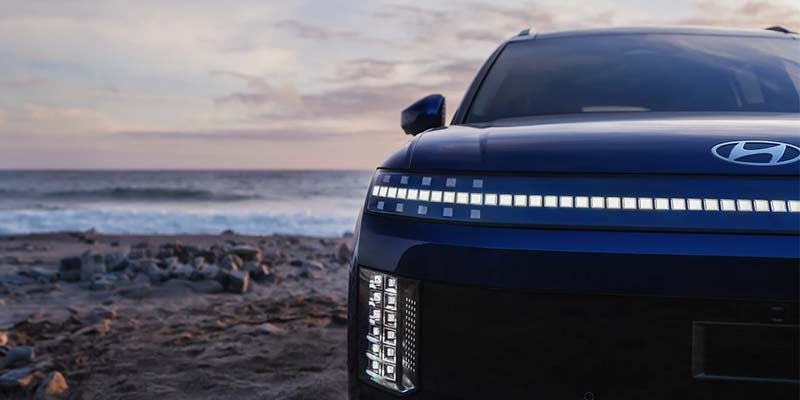
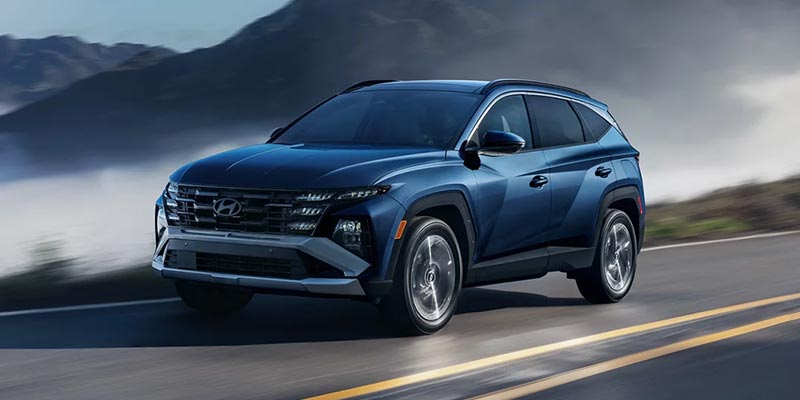
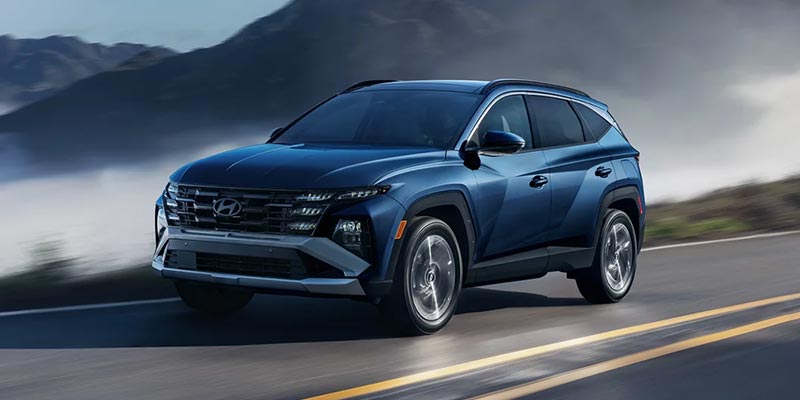
Hybrid technology can sound complicated because you're dealing with a gasoline engine, an electric motor, and a high-voltage battery all in the same vehicle. A conventional hybrid manages those components automatically, using electric power where it can help reduce fuel consumption and gasoline power when it's needed. Hyundai applies this approach to vehicles as different as the 2026 TUCSON Hybrid and 2027 PALISADE Hybrid, giving drivers around Anniston, AL, options ranging from a compact SUV to a 3-row model with seating for up to 8.
The Engine and Electric Motor Share the Job
A conventional hybrid can use its gasoline engine, electric motor, or a combination of both depending on driving conditions, battery charge, speed, and power demand. At certain points, the electric motor can propel the vehicle or assist the gasoline engine during acceleration. The 2026 Hyundai TUCSON Hybrid shows what this partnership can achieve. Its 1.6L Turbocharged GDI 4-cylinder hybrid powertrain produces 231 combined hp. The TUCSON Hybrid SE with HTRAC AWD is EPA-rated at 38 mpg city, 38 mpg highway, and 38 mpg combined, while the SE FWD achieves 40 mpg city, 35 mpg highway, and 38 mpg combined.
You Don't Plug In a Conventional Hybrid
This is one of the easiest details to misunderstand. A standard hybrid doesn't need to be connected to a charger. Its high-voltage traction battery is separate from the familiar 12-volt electrical system and stores energy for the electric motor. The hybrid system manages that battery automatically, recovering energy while the vehicle is driven and using the gasoline engine as part of its operating strategy. A plug-in hybrid electric vehicle, or PHEV, works differently. Its larger battery can accept an external charge and is designed to provide more electric-only driving capability before the gasoline engine becomes necessary.
Braking Can Put Energy Back into the Battery
Ordinary friction braking turns much of a moving vehicle's kinetic energy into heat. A hybrid has another option. During deceleration, the electric motor can operate as a generator, converting some of that kinetic energy into electricity and sending it back to the high-voltage battery. This is regenerative braking, and it happens automatically as you drive. Friction brakes are still there and remain essential when additional stopping force is required. The clever part is that some energy that would otherwise disappear as heat can instead be captured and stored for the electric motor to use later.
That Energy Recovery Helps Explain the MPG Figures
Hybrids improve efficiency by dividing the workload between gasoline and electricity. Electric assistance can reduce how much fuel the engine needs during certain driving situations, while regenerative braking recovers energy during deceleration. The 2027 PALISADE Hybrid demonstrates that the idea isn't restricted to smaller vehicles. Its 2.5L Turbocharged GDI 4-cylinder hybrid powertrain produces 329 combined hp. SEL and SEL Premium FWD models achieve an EPA-estimated 33 mpg city, 35 mpg highway, and 34 mpg combined, with an estimated driving range of up to 619 miles on a full tank. Limited, Calligraphy, and Calligraphy Black Ink FWD models are rated at 31 mpg combined, while AWD configurations achieve 30 mpg combined.
Hybrid Components Come with Long-Term Coverage
Hyundai supports its new hybrid vehicles with several layers of warranty coverage. New vehicles include a 5-year/60,000-mile New Vehicle Limited Warranty, while the original owner receives a 10-year/100,000-mile Powertrain Limited Warranty. The Hybrid/Electric Battery Warranty also covers 10 years or 100,000 miles, and 24-hour Roadside Assistance runs for 5 years with unlimited mileage. For someone considering their first hybrid, knowing the high-voltage battery has dedicated warranty coverage can answer one of the more common questions surrounding long-term ownership.
Try the Technology Without Changing How You Drive
The appeal of a conventional hybrid is that most of the complicated work happens without asking the driver to manage it. The 231-hp 2026 TUCSON Hybrid brings the technology to a compact SUV, while the 329-hp 2027 PALISADE Hybrid extends it to a larger 3-row vehicle. Drivers around Anniston, AL, can explore the new Hyundai hybrid inventory at Cooper Hyundai, compare available models and drivetrains, and schedule a test drive online to experience how the gasoline and electric systems work together on the road.