



With gas prices constantly climbing in Anniston, Alabama and across the country, you may have begun thinking about switching to an electric vehicle. But understandably, you probably have some questions about exactly how EVs work.
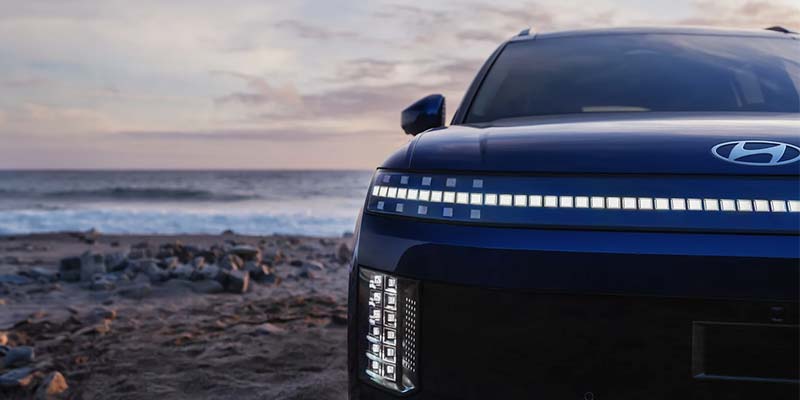
Don’t worry, it’s a very common question, and understanding how EVs work can make the decision feel a lot less overwhelming. So, if you’re looking at an EV for the first time or getting serious about your next vehicle, this guide breaks it all down in plain terms – and shows how Hyundai’s growing electric lineup makes the switch easier than ever.
How EV Engines Work Differently Than Gas-Powered Vehicles
Traditional gas-powered vehicles rely on an internal combustion engine, which burns fuel to generate power. Electric vehicles operate on a fundamentally different principle. Instead of an engine, EVs use one or more electric motors powered by a large lithium-ion battery pack.
When you press the accelerator, electricity flows from the battery to the motor, which converts that energy into movement. There’s no transmission in the traditional sense, and fewer moving parts overall. This also means EVs deliver torque instantly, giving you smooth, responsive acceleration without the hesitation you might feel in a gas vehicle.
What Makes EV Ownership More Convenient Day to Day
One of the biggest advantages of understanding how EVs work is realizing how much simpler ownership can be. Without an internal combustion engine, there are no oil changes, no spark plugs to replace, and no exhaust system to maintain. Routine maintenance is generally less frequent and less costly over time.
Charging at home overnight is another convenience most EV owners quickly appreciate. Rather than stopping at a gas station, you start each day with a full charge. If you mainly take short trips on a day-to-day basis , daily charging needs are often easy to meet with a standard home setup.
Hyundai’s Electric Vehicle Lineup and What It Offers
Hyundai has built one of the more well-rounded EV lineups available today. The 2026 IONIQ 6 has an estimated range of 680 miles and can charge from 10% to 80% in as little as 18 minutes with an ultra-fast charger. It also offers a versatile range of trims to suit different needs.
The 2026 IONIQ 9 is Hyundai’s larger electric SUV with an EPA-estimated range of up to 335 miles and available power up to 422 horsepower. It can also charge from 10% to 80% in approximately 24 minutes using an 800-volt ultra-fast charger.
For those not ready to go fully electric, Hyundai also offers PHEV options. The 2026 Tucson Plug-in Hybrid – a PHEV – lets you drive on electricity for an estimated 32 miles while relying on gas for longer ones with an estimated combined 35 MPG. A PHEV is a practical bridge for drivers still building confidence with electric technology.
How EV Costs Compare to Traditional Fuel Vehicles
When comparing how EVs work in terms of overall cost, it’s important to look beyond the window sticker. While some electric vehicles carry a higher upfront purchase price, the long-term savings on fuel and maintenance can offset that difference over time.
Electricity typically costs less per mile than gasoline. Combine that with reduced maintenance needs, and the total cost of ownership for an EV can be quite competitive. Hyundai also backs its vehicles with warranty coverage for up to 10 years and 100,000 miles, which adds more long-term value for buyers.
Explore Hyundai’s EV Lineup Today
Now that you have a clearer picture of how EVs work, the next step is finding the right fit for your lifestyle and budget. Hyundai’s electric and PHEV options offer a range of choices whether you want full electric capability or a flexible hybrid approach.
Drivers throughout Anniston, AL, can explore current offers and available inventory at Cooper Hyundai to find the model that makes the most sense. Schedule an appointment to experience Hyundai’s lineup and take the first step toward a smarter, more efficient way to drive.
Connect with us

Cooper Hyundai
Address
110 S Quintard Avenue
Anniston, AL 36201
Phone
- Sales 256-236-7651
- Service 256-236-7651
- Parts 256-236-7651
| Monday | 8:30AM - 6:30PM |
| Tuesday | 8:30AM - 6:30PM |
| Wednesday | 8:30AM - 6:30PM |
| Thursday | 8:30AM - 6:30PM |
| Friday | 8:30AM - 6:30PM |
| Saturday | 8:30AM - 6:00PM |
| Sunday | Closed |
| Monday | 7:30AM - 5:30PM |
| Tuesday | 7:30AM - 5:30PM |
| Wednesday | 7:30AM - 5:30PM |
| Thursday | 7:30AM - 5:30PM |
| Friday | 7:30AM - 5:30PM |
| Saturday | Closed |
| Sunday | Closed |
| Monday | 7:30AM - 5:30PM |
| Tuesday | 7:30AM - 5:30PM |
| Wednesday | 7:30AM - 5:30PM |
| Thursday | 7:30AM - 5:30PM |
| Friday | 7:30AM - 5:30PM |
| Saturday | Closed |
| Sunday | Closed |