



Hybrid vehicles have become a popular choice for drivers looking for improved fuel efficiency, modern technology, and a different approach to everyday driving. By combining a gasoline engine with an electric motor, hybrid cars provide an alternative to traditional gas-powered vehicles while offering many benefits for commuters, families, and environmentally conscious drivers.
At Cooper Hyundai in Anniston, AL, we help drivers understand the advantages and considerations of hybrid ownership. Whether you are comparing your next vehicle options or researching how hybrid technology works, understanding the pros and cons of hybrid cars can help you determine if this type of vehicle matches your driving needs.
How Hybrid Cars Work
Hybrid cars use two sources of power: a gasoline engine and an electric motor powered by a rechargeable battery pack. Instead of relying only on gasoline, hybrid vehicles use electric assistance during certain driving conditions to improve efficiency.
The vehicle’s computer system automatically manages when to use the gasoline engine, electric motor, or both. During low-speed driving, a hybrid may rely more on electric power. During acceleration or higher-speed driving, the gasoline engine provides additional support.
Hybrid technology helps deliver:
- Improved fuel efficiency during daily commuting
- Reduced fuel consumption compared to many traditional vehicles
- Smooth transitions between electric and gasoline power
- Regenerative braking that helps recharge the battery
Pros of Hybrid Cars
One of the biggest advantages of hybrid vehicles is their ability to provide excellent fuel efficiency. Drivers who spend a significant amount of time commuting or navigating city streets may benefit from reduced fuel usage compared to similar non-hybrid models.
Hybrid vehicles offer several benefits for drivers who prioritize efficiency and convenience.
Improved Fuel Efficiency
Fuel efficiency is one of the main reasons drivers consider hybrid vehicles. The combination of electric assistance and gasoline power allows hybrid cars to use less fuel in many driving situations.
Benefits of improved fuel efficiency include:
- Fewer trips to the gas station
- Better mileage during stop-and-go driving
- More efficient daily commuting
- Reduced dependence on gasoline consumption
For drivers with long commutes or frequent city driving, a hybrid vehicle’s fuel efficiency can be an important advantage.
Regenerative Braking Technology
Hybrid vehicles use regenerative braking systems to capture energy that is normally lost during braking. This energy helps recharge the hybrid battery, allowing the vehicle to reuse power that would otherwise be wasted.
Regenerative braking provides:
- Additional battery charging during normal driving
- Improved energy management
- Less reliance on traditional charging methods
- Increased overall efficiency
This technology allows hybrid vehicles to maximize the energy they already produce during operation.
Smooth and Quiet Driving Experience
Hybrid cars often provide a quieter driving experience because the electric motor can operate without the same engine noise associated with traditional gasoline vehicles. This is especially noticeable during low-speed driving and idling situations.
Drivers may appreciate:
- Quiet operation in electric mode
- Smooth acceleration
- Responsive performance in everyday driving
- Reduced engine activity during certain conditions
Cons of Hybrid Cars
While hybrid vehicles offer many benefits, they may not be the right choice for every driver. Understanding the potential drawbacks helps you make a more informed decision.
Higher Initial Purchase Considerations
Hybrid vehicles often include advanced technology, including electric motors and battery systems. This technology can influence the overall cost compared to some traditional gasoline-powered vehicles.
Drivers should consider:
- Their driving habits
- Expected ownership length
- Fuel savings over time
- Vehicle features and capabilities
A hybrid vehicle may provide the most value for drivers who regularly take advantage of its fuel efficiency benefits.
Battery Replacement Considerations
Hybrid vehicles use battery packs designed for long-term operation. Like any vehicle component, batteries may eventually require service or replacement after extended use.
Important factors include:
- Following recommended maintenance schedules
- Understanding warranty coverage
- Having inspections completed by qualified technicians
- Maintaining proper vehicle care
Modern hybrid systems are designed for durability, but battery maintenance remains an important part of ownership.
Different Driving Characteristics
Hybrid vehicles may feel different compared to traditional gasoline vehicles. Some drivers may notice differences in acceleration, engine operation, or braking feel due to the interaction between electric and gasoline power.
Drivers considering a hybrid should evaluate:
- How the vehicle feels during test drives
- Daily driving requirements
- Comfort preferences
- Performance expectations
A test drive provides the best opportunity to experience how hybrid technology works in real-world conditions.
Are Hybrid Cars Good for Long-Distance Driving?
Hybrid vehicles can be effective options for many types of driving, including longer trips. While city driving often allows hybrids to maximize their electric assistance, modern hybrid systems are designed to provide efficient performance across different road conditions.
Factors that influence hybrid fuel efficiency include:
- Driving speed
- Road conditions
- Weather conditions
- Vehicle load
- Maintenance habits
Drivers who maintain consistent service schedules can help their hybrid vehicle continue delivering reliable performance.
Hybrid Cars vs. Traditional Gas Vehicles
Choosing between a hybrid and a traditional gasoline vehicle depends on your priorities. Some drivers value maximum fuel efficiency, while others prioritize towing capability, performance, or vehicle cost.
Hybrid vehicles may be a strong option for drivers who:
- Want improved fuel efficiency
- Spend significant time commuting
- Prefer advanced vehicle technology
- Want a vehicle designed around energy conservation
Traditional gasoline vehicles may better fit drivers who:
- Need specific performance capabilities
- Prefer conventional engine operation
- Frequently travel in areas with different fuel needs
Understanding your driving habits is the best way to determine which vehicle type fits your lifestyle.
Explore Hybrid Vehicle Options at Cooper Hyundai
Hybrid cars provide a unique combination of gasoline power and electric technology designed to improve fuel efficiency and everyday driving convenience. While hybrid vehicles offer benefits such as reduced fuel consumption, regenerative braking, and smooth operation, drivers should also consider factors like ownership costs and driving preferences.
At Cooper Hyundai in Anniston, AL, our team can help you explore available hybrid models, compare vehicle options, and learn more about the technology behind hybrid driving. Whether you are interested in improving efficiency or simply exploring modern vehicle options, we are here to help you find the right Hyundai for your needs.
Is Antifreeze and Coolant the Same Thing? Understanding Glycol Radiator Fluid for Your Hyundai
Your Hyundai’s cooling system plays an important role in maintaining proper engine temperature and protecting critical components. Many drivers hear the terms antifreeze and coolant used interchangeably, but understanding the difference between these fluids helps you make informed maintenance decisions. At Cooper Hyundai in Anniston, AL, we help drivers understand essential vehicle care topics, including glycol radiator fluid, coolant maintenance, and the importance of using the correct fluids for their Hyundai.
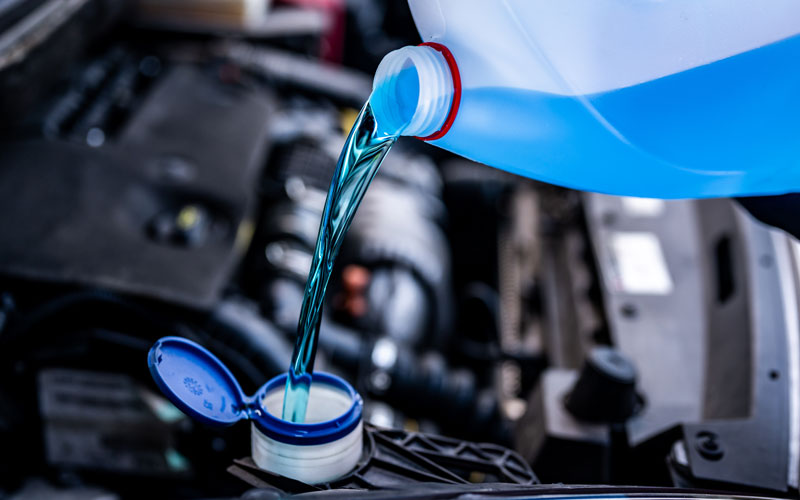
Whether you drive a Hyundai Tucson, Santa Fe, Elantra, Sonata, or another model, maintaining the cooling system helps support dependable performance. Learning how antifreeze and coolant work together allows you to recognize when your vehicle may need attention and how routine maintenance can help protect your engine.
Are Antifreeze and Coolant the Same Thing?
Antifreeze and coolant are closely related terms, but they are not exactly the same. Antifreeze refers to the concentrated fluid that is added to a vehicle’s cooling system to help prevent freezing and overheating. Coolant is the mixture of antifreeze and water that circulates through the engine and radiator.
Most vehicles use coolant made from antifreeze mixed with distilled water. This combination creates the proper balance needed for temperature control and corrosion protection. While many people use the words coolant and antifreeze interchangeably, coolant typically refers to the ready-to-use mixture inside your vehicle.
Key differences between antifreeze and coolant include:
- Antifreeze is the concentrated glycol-based fluid before water is added.
- Coolant is the prepared mixture circulating through the engine cooling system.
- Both fluids help regulate engine temperatures in different weather conditions.
- Proper coolant levels and mixtures help protect internal engine components.
What Is Glycol Radiator Fluid?
Glycol radiator fluid is another term used to describe the main ingredient found in many automotive cooling systems. Most antifreeze products use either ethylene glycol or propylene glycol as their primary base. These glycol compounds provide the temperature protection needed for modern engines.
Ethylene glycol is commonly used because it provides effective freeze and boil protection. Propylene glycol offers similar performance characteristics and is often selected for specific applications. Your Hyundai owner’s manual provides guidance on the recommended coolant type for your vehicle.
Glycol radiator fluid helps your cooling system by:
- Lowering the freezing point of engine coolant during cold temperatures
- Raising the boiling point to help prevent overheating
- Protecting metal components from corrosion
- Supporting consistent engine operation
Using the correct glycol radiator fluid helps maintain the cooling system’s ability to manage heat effectively.
How Does Coolant Work in Your Hyundai?
Your Hyundai’s engine generates significant heat during operation. The cooling system works continuously to move heat away from important engine components and maintain a controlled operating temperature.
Coolant flows through passages inside the engine before traveling to the radiator. The radiator releases excess heat, allowing the coolant to return and continue the process. This cycle helps prevent excessive temperatures that could damage engine components.
A properly maintained cooling system supports:
- Engine temperature regulation during daily driving
- Protection against overheating
- Reduced risk of corrosion inside the cooling system
- Reliable operation in changing weather conditions
Ignoring coolant maintenance can allow the fluid to become contaminated or lose its effectiveness over time.
When Should You Check or Replace Coolant?
Coolant does not require service as frequently as some other vehicle fluids, but it still needs regular inspection. Over time, coolant can break down, lose protective additives, or become contaminated with debris.
Hyundai drivers should review their owner’s manual for recommended coolant inspection and replacement intervals. Driving conditions, climate, and vehicle usage can influence when cooling system service is needed.
Signs that your Hyundai may need coolant service include:
- An overheating engine temperature gauge
- Low coolant levels in the reservoir
- Visible coolant leaks beneath the vehicle
- A sweet smell coming from the engine compartment
- Warning lights related to engine temperature
If you notice any of these signs, scheduling an inspection with trained Hyundai technicians can help identify potential concerns before they become more serious.
Can You Mix Different Types of Coolant?
Mixing different coolant types is not always recommended. Different formulas may contain different additives designed for specific cooling system materials and vehicle requirements. Combining incompatible coolants can reduce performance and may affect corrosion protection.
Before adding coolant, confirm that the product matches your Hyundai’s recommended specifications. Using the correct fluid helps maintain the cooling system’s designed performance.
Important coolant maintenance tips include:
- Check your owner’s manual before selecting coolant.
- Avoid mixing unknown coolant types.
- Use the recommended glycol-based radiator fluid for your Hyundai.
- Allow the engine to cool before checking coolant levels.
When in doubt, the service team at Cooper Hyundai can help identify the appropriate coolant for your vehicle.
Protect Your Hyundai Cooling System at Cooper Hyundai
Understanding the difference between antifreeze and coolant helps you make better decisions when caring for your Hyundai. Glycol radiator fluid serves an important role in maintaining engine temperature, protecting components, and supporting long-term vehicle performance.
At Cooper Hyundai in Anniston, AL, our service professionals are ready to assist with coolant inspections, maintenance recommendations, and other essential Hyundai services. Whether you need routine maintenance or have questions about your vehicle’s cooling system, our team is here to provide knowledgeable support.
Schedule your next service appointment with Cooper Hyundai to help keep your Hyundai operating smoothly through every season.
For drivers considering an electrified vehicle, the Hyundai EV and hybrid lineup offers reliable options. Cooper Hyundai in Anniston, AL, provides access to these models. The collection includes compact sedans and 3-row SUVs. You can choose a fully electric model or a hybrid vehicle based on your daily needs.
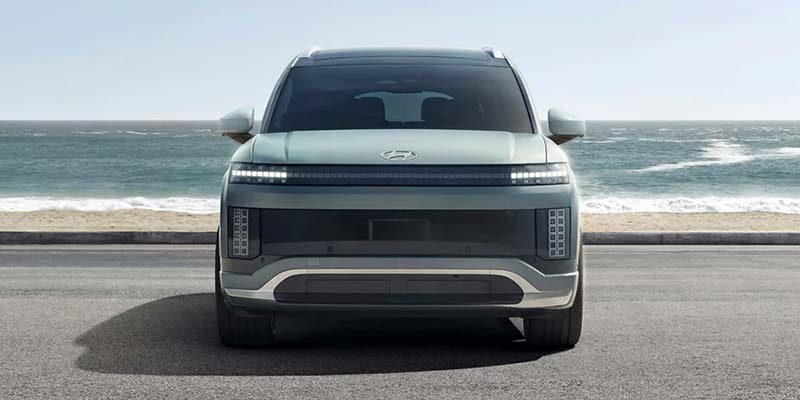
2026 IONIQ 9
The 2026 IONIQ 9 is a 3-row electric SUV. It offers an EPA-estimated range of up to 335 miles. The Limited, Calligraphy, and Calligraphy Design trims produce up to 422 hp. It features fast charging, taking the battery from 10% to 80% in approximately 24 minutes on a 350-kilowatt charger.
Read the rest of this entry »Few driving frustrations arrive as quickly as a fogged windshield. One moment you have a perfectly clear view of the road ahead. The next, the glass looks like someone has draped a translucent curtain across it. It is inconvenient, distracting, and, more importantly, a genuine safety concern.
The good news is that window fogging is not mysterious. Once you understand why it happens, clearing it becomes much easier. For drivers in Anniston, AL, where humid summers and cool winter mornings can both create visibility challenges, a few simple habits can make a significant difference.
Why Car Windows Fog Up in the First Place
Window fog forms when moisture in the air condenses on glass. Inside your vehicle, warm air contains water vapor from passengers’ breath, damp clothing, shoes, and even the weather outside. When that humid air encounters a cooler windshield or side window, tiny droplets form on the surface of the glass.
Read the rest of this entry »A functional braking system is necessary for the safe operation of any vehicle. Drivers can contact Cooper Hyundai in Anniston, AL, to receive professional maintenance for their cars or SUVs. Understanding common questions about brakes can help owners identify potential mechanical issues if they are driving in local traffic or on the highway.
What Is the Braking System and Why Does It Matter?
The braking system is one of the most critical safety features on a vehicle. When a driver presses the brake pedal, a series of components work together to slow the car. Recognizing how these parts function helps maintain safety if you are commuting through Anniston, Alabama, or traveling on the highway.
What Are the Main Components That Make Up the Brakes?
The braking system consists of several parts. Each component performs a specific role in stopping the vehicle.
Brake Pedal and Master Cylinder
The brake pedal is the contact point for the driver. When it is pressed, the master cylinder converts physical pressure into hydraulic pressure. This pressure travels through lines to the components that slow the wheels.
Brake Lines and Brake Fluid
Brake lines are tubes that carry hydraulic fluid to each wheel. Brake fluid is the medium used to transmit force. Over time, this fluid can absorb moisture and reduce stopping performance.
Brake Calipers
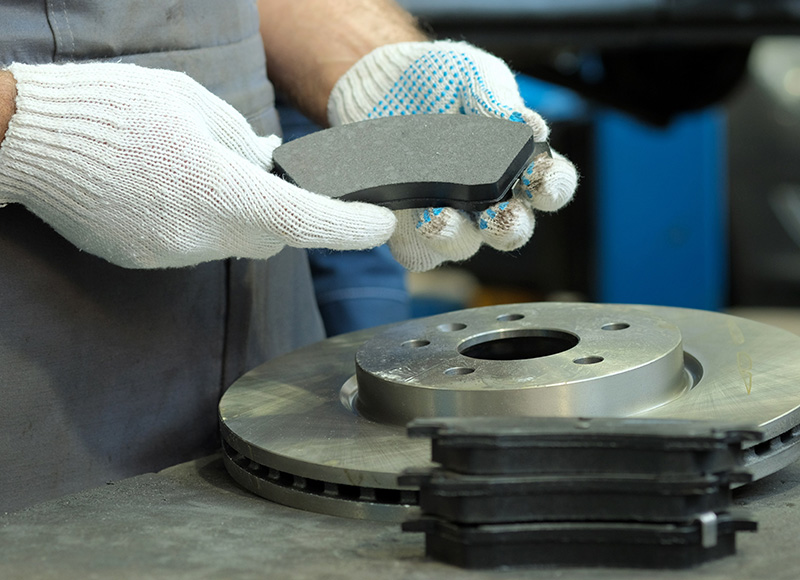
Calipers are devices that hold the brake pads. They squeeze the pads against the rotor when the driver applies the brakes. This action creates the force needed to slow the vehicle.
Brake Pads
Brake pads are 1 of the most recognized parts of the system. They provide the friction material that presses against the rotor. These pads wear down over time and require regular replacement to maintain stopping power.
Rotors
Rotors are metal discs attached to each wheel hub. When the pads clamp against the rotor, friction is created to stop the wheel. Rotors can warp or develop grooves if the pads become too thin.
Brake Drums and Wheel Cylinders
Some vehicles use drum brakes on the rear wheels. In this system, wheel cylinders push brake shoes against the inside of a drum. These components serve the same purpose as disc brakes.
Anti-Lock Braking System (ABS)
The anti-lock braking system is an electronic safety feature. It prevents the wheels from locking during hard braking. ABS is a standard feature on all modern Hyundai vehicles.
What Are the Signs That My Brakes May Be Failing?
Drivers should monitor their vehicles for signs of brake wear. Identifying these indicators early can prevent mechanical failure.
Squealing or Squeaking Sounds
A high-pitched squeal often indicates that the wear sensor is touching the rotor. This sound means the brake pads are low and need an inspection.
Grinding Noises
A grinding sound is an urgent warning. It typically means the friction material is gone and metal is contacting metal. This condition can damage the rotors.
Soft or Spongy Brake Pedal
A pedal that feels soft may indicate air in the lines or a problem with the master cylinder. Any change in pedal feel requires immediate attention from a technician.
Vehicle Pulling to the Side
If a vehicle pulls to the left or right during braking, it may indicate a stuck caliper. This issue can also be caused by uneven pad wear.
Vibration When Braking
A vibrating sensation in the pedal often points to warped rotors. This happens when the rotors overheat. Warped rotors reduce the consistency of the contact between the pads and the disc.
Illuminated Brake Warning Light
Hyundai vehicles include a brake warning light on the dashboard. This light signals low fluid or an issue with the ABS. Owners should have the vehicle checked if this light activates.
How Often Should Brakes Be Inspected?
Brakes should be inspected at least 1 time per year. Brake pads usually require replacement every 25,000 to 70,000 miles. Driving habits and road conditions affect how quickly these parts wear out.
The service team at Cooper Hyundai in Anniston, AL, provides inspections and repairs for all braking components. Trained technicians can check the pads, rotors, calipers, and ABS. Drivers should schedule an appointment if they notice any changes in vehicle performance.
Every part of the braking system must work correctly to ensure safety. Maintaining the master cylinder, brake lines, and pads helps the vehicle stop efficiently. If you have more questions, contact the Cooper Hyundai team in Anniston, AL, to speak with a service consultant.
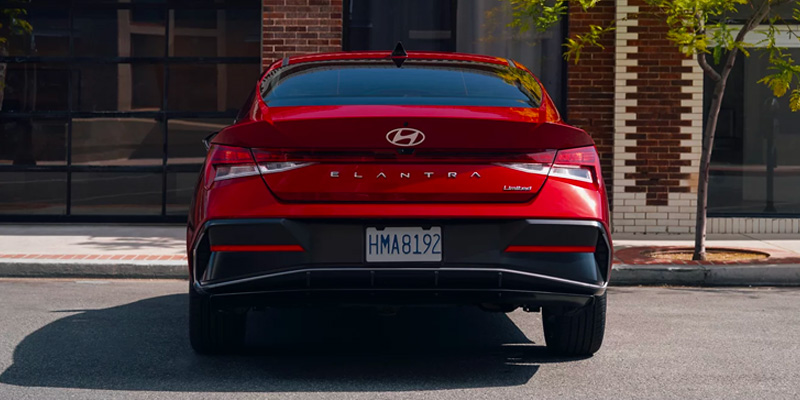
Drivers in Anniston, AL can find a wide variety of 2026 Hyundai Elantra trims at Cooper Hyundai. This sedan provides a reliable driving experience, and this guide lists the specific features of each model to help you choose the correct vehicle. If you are looking for an efficient daily driver or a sporty option, there is a trim level built for your needs. Please contact the team at Cooper Hyundai for more information.
SE: The Base Trim Level
The SE serves as the base model, and it features a 2.0L 4-cylinder engine that provides 147 hp and 132 lb-ft of torque. It includes 15″ alloy wheels and an 8.0″ touchscreen that supports wireless Apple CarPlay® and Android Auto®. This trim also comes standard with lane-keeping assist and forward-collision avoidance assist to help maintain safety on the road.
SEL Sport: Style and Efficiency
The SEL Sport is a mid-level trim that uses the same 2.0L 4-cylinder engine, but it adds 17″ alloy wheels and a leather-wrapped steering wheel. This model includes dual-zone automatic climate control and a wireless charging pad for your devices. It is a practical choice for drivers who want a more polished look without moving to a performance-focused build.
SEL Sport Premium: Added Technology
The SEL Sport Premium is a new trim for 2026, and it provides a 10.25″ touchscreen with navigation. This trim adds a power sunroof and heated front seats for increased comfort during daily commutes. It maintains the 147 hp engine and 132 lb-ft of torque found in the other standard trims.
N Line: Performance Features
The N Line is the performance option in the lineup, and it uses a 1.6L turbo 4-cylinder engine that produces 201 hp and 195 lb-ft of torque. It comes with 18″ alloy wheels and a 7-speed dual-clutch transmission for a more responsive drive. Inside, you will find a Bose® premium audio system and a 10.25″ touchscreen.
Limited: The Top Standard Trim
The Limited is the top standard trim level, and it features 17″ alloy wheels and leather-trimmed seats. This trim includes a 10.25″ digital instrument cluster and a 10.25″ touchscreen with built-in navigation. It also adds advanced safety features such as highway driving assist and a surround view monitor.
Residents of Anniston, AL can view all of these 2026 Hyundai Elantra trims at Cooper Hyundai. Each model offers different technology and performance options to fit your lifestyle. Visit Cooper Hyundai to test drive an Elantra today.
The 2026 Hyundai Elantra excels at multitasking. It’s not trying to be everything at once, but it ends up fitting into a lot of different lives anyway. Around Anniston, that counts. One car that can handle the commute, a weekend drive, and everything in between tends to make more sense than something overly specialized.
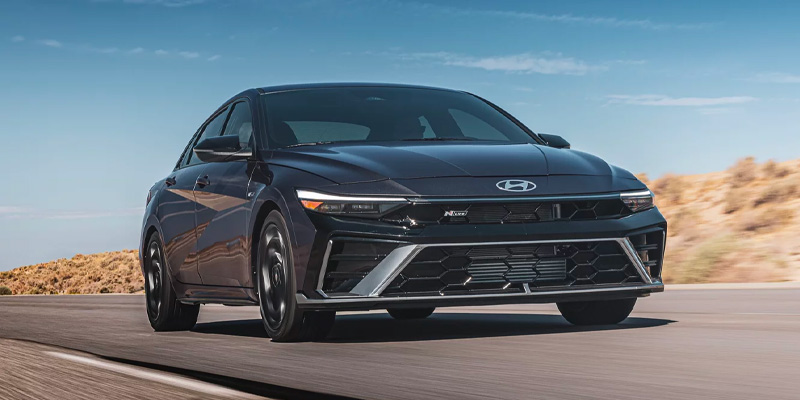
What Elantra does well is balance. Come see for yourself or check out our new inventory if you don’t believe us.
Longer Drives in the 2026 Hyundai Elantra
The Elantra settles into highway driving without much fuss. The ride stays composed, the cabin stays quiet enough, and the seats hold up over time. Trunk space lands around 14.2 to 14.8 cu. ft., which is enough for a couple of bags, maybe more if you pack smart. It’s practical without feeling oversized, which suits weekend trips or longer drives across Alabama. It’s the kind of setup that doesn’t ask much from you. You just get in and go.
A Practical Fit for Everyday Family Use
For families, the Elantra leans into simplicity. The cabin offers about 99.4 cu. ft. of passenger volume, which gives everyone enough room without feeling cramped. The ride stays smooth over rougher roads, and the layout is straightforward. Nothing feels overly complicated, which helps when you’re juggling a full schedule. If you’ve been comparing options for daily use, this is where the Elantra tends to make a strong case. It covers the basics well and doesn’t overcomplicate things.
A Comfortable Starting Point for New Drivers
For newer drivers, the Elantra keeps things manageable. The size is easy to work with, visibility is solid, and the controls are laid out in a way that makes sense right away. An 8-inch touchscreen with wireless Android Auto™ and Apple CarPlay® adds familiarity, which helps reduce the learning curve. It’s a small detail, but it makes the experience feel more natural from the start. Reliability also plays a role here. It’s one less thing to worry about when someone is still getting comfortable behind the wheel.
A Clean, Comfortable Daily Drive for Work and Routine
For commuting, the Elantra keeps things straightforward. The design is sharp enough to feel current, and the cabin is comfortable enough to make daily drives less tiring. It doesn’t try to turn every drive into an event. It just makes the process easier. If you’ve been thinking about upgrading your daily driver, this is where the Elantra fits naturally.
2026 Hyundai Elantra: Built to Feel Manageable in Any Situation
Some vehicles feel larger or more complicated than they need to be. The Elantra avoids that. Steering is predictable, controls are simple, and everything feels easy to adjust to. That makes it a good option for drivers who want something that feels approachable, especially in busier areas around Anniston.
The 2026 Hyundai Elantra works because it doesn’t try too hard. It handles different needs without asking you to change how you drive or live. If you want to see how it feels in person, schedule a test drive online and visit Cooper Hyundai today. It’s the easiest way to see how well it meshes with your life.
Dash lights are your car’s way of talking to you. Not in a calm, thoughtful, “let’s sit down and discuss this” kind of way. More like a sudden blinking message that says, “Hey. Something’s happening. You might want to pay attention!”
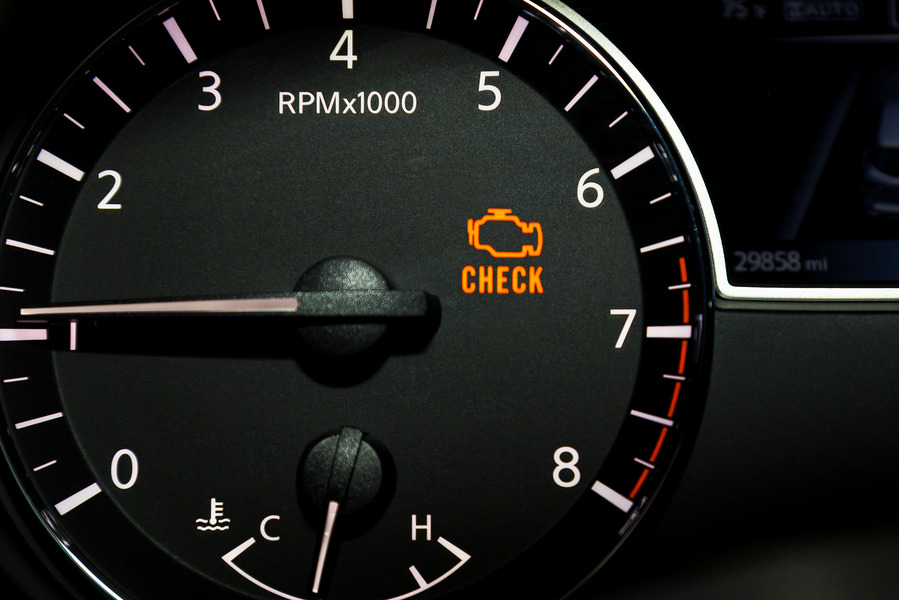
Some of these lights are harmless. Some are not. The trick is knowing which is which before you decide to ignore it and hope it goes away on its own, which, for the record, is rarely a winning strategy.
Common Dash Lights and Their Meanings
- Check Engine Light
This is the one that causes immediate suspicion. The check engine light can mean something minor, like a loose gas cap, or something more serious that will not politely fix itself.
Read the rest of this entry »2026 Hyundai Kona: Precision Meets Personality
There is a certain satisfaction in driving something that feels thought out. The 2026 Hyundai Kona enters the subcompact SUV space with that exact sense of intent. Compact enough to feel agile on crowded Anniston streets yet substantial enough to carry real daily responsibility, the Kona balances practicality with confident driving that becomes apparent the moment the wheels begin to turn.

Balanced Capability That Feels Purpose-Built in the 2026 Hyundai Kona
Versatility is not just about cargo numbers or drivetrain options. It is about how naturally a vehicle adapts to different roles across the week. With available HTRAC AWD, the Kona delivers secure traction in changing road conditions while maintaining the light, responsive steering feel drivers expect in a smaller crossover.
Read the rest of this entry »Tire Rotation: Why It Matters and How Often to Rotate
There are many glamorous aspects of vehicle ownership. Tire rotation is not one of them. No one has ever leaned dramatically against a fender at sunset and whispered, “Tell me more about tread wear patterns.” And yet, this humble maintenance ritual is quietly responsible for keeping your car composed, efficient, and far less likely to behave like a shopping cart with a wobbly wheel.
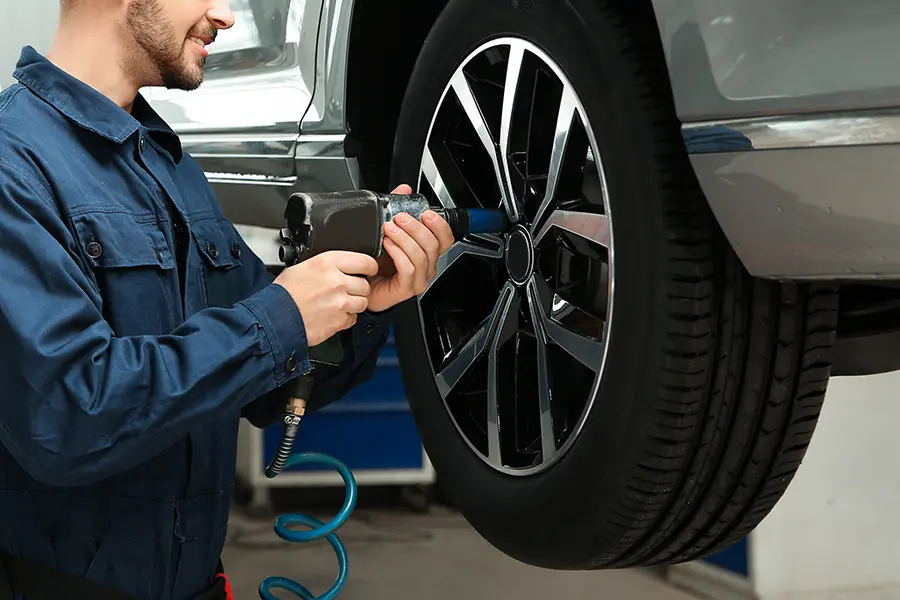
Even Wear Means Better Road Manners
Tires do not live equal lives. Front tires typically handle steering forces, braking loads, and the daily indignity of potholes. Rear tires often live slightly easier existences unless towing or spirited driving enters the picture. Over time, this uneven workload creates mismatched wear patterns that can reduce grip, increase road noise, and make handling feel about as reassuring as a folding chair at a family reunion.
Read the rest of this entry »Connect with us

Cooper Hyundai

Address
110 S Quintard Avenue
Anniston, AL 36201
Phone
- Sales 256-236-7651
- Service 256-236-7651
- Parts 256-236-7651
| Monday | 8:30AM - 6:30PM |
| Tuesday | 8:30AM - 6:30PM |
| Wednesday | 8:30AM - 6:30PM |
| Thursday | 8:30AM - 6:30PM |
| Friday | 8:30AM - 6:30PM |
| Saturday | 8:30AM - 6:00PM |
| Sunday | Closed |
| Monday | 7:30AM - 5:30PM |
| Tuesday | 7:30AM - 5:30PM |
| Wednesday | 7:30AM - 5:30PM |
| Thursday | 7:30AM - 5:30PM |
| Friday | 7:30AM - 5:30PM |
| Saturday | Closed |
| Sunday | Closed |
| Monday | 7:30AM - 5:30PM |
| Tuesday | 7:30AM - 5:30PM |
| Wednesday | 7:30AM - 5:30PM |
| Thursday | 7:30AM - 5:30PM |
| Friday | 7:30AM - 5:30PM |
| Saturday | Closed |
| Sunday | Closed |