



A functional braking system is necessary for the safe operation of any vehicle. Drivers can contact Cooper Hyundai in Anniston, AL, to receive professional maintenance for their cars or SUVs. Understanding common questions about brakes can help owners identify potential mechanical issues if they are driving in local traffic or on the highway.
What Is the Braking System and Why Does It Matter?
The braking system is one of the most critical safety features on a vehicle. When a driver presses the brake pedal, a series of components work together to slow the car. Recognizing how these parts function helps maintain safety if you are commuting through Anniston, Alabama, or traveling on the highway.
What Are the Main Components That Make Up the Brakes?
The braking system consists of several parts. Each component performs a specific role in stopping the vehicle.
Brake Pedal and Master Cylinder
The brake pedal is the contact point for the driver. When it is pressed, the master cylinder converts physical pressure into hydraulic pressure. This pressure travels through lines to the components that slow the wheels.
Brake Lines and Brake Fluid
Brake lines are tubes that carry hydraulic fluid to each wheel. Brake fluid is the medium used to transmit force. Over time, this fluid can absorb moisture and reduce stopping performance.
Brake Calipers
Calipers are devices that hold the brake pads. They squeeze the pads against the rotor when the driver applies the brakes. This action creates the force needed to slow the vehicle.
Brake Pads
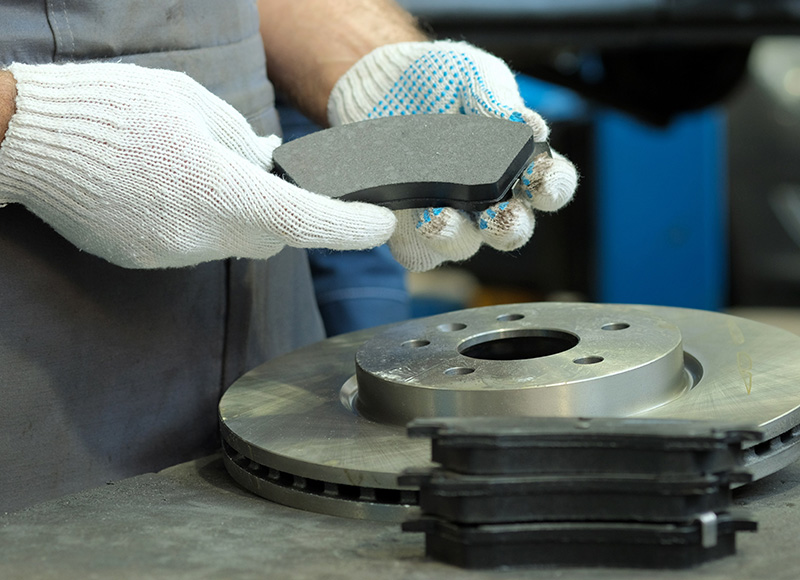
Brake pads are 1 of the most recognized parts of the system. They provide the friction material that presses against the rotor. These pads wear down over time and require regular replacement to maintain stopping power.
Rotors
Rotors are metal discs attached to each wheel hub. When the pads clamp against the rotor, friction is created to stop the wheel. Rotors can warp or develop grooves if the pads become too thin.
Brake Drums and Wheel Cylinders
Some vehicles use drum brakes on the rear wheels. In this system, wheel cylinders push brake shoes against the inside of a drum. These components serve the same purpose as disc brakes.
Anti-Lock Braking System (ABS)
The anti-lock braking system is an electronic safety feature. It prevents the wheels from locking during hard braking. ABS is a standard feature on all modern Hyundai vehicles.
What Are the Signs That My Brakes May Be Failing?
Drivers should monitor their vehicles for signs of brake wear. Identifying these indicators early can prevent mechanical failure.
Squealing or Squeaking Sounds
A high-pitched squeal often indicates that the wear sensor is touching the rotor. This sound means the brake pads are low and need an inspection.
Grinding Noises
A grinding sound is an urgent warning. It typically means the friction material is gone and metal is contacting metal. This condition can damage the rotors.
Soft or Spongy Brake Pedal
A pedal that feels soft may indicate air in the lines or a problem with the master cylinder. Any change in pedal feel requires immediate attention from a technician.
Vehicle Pulling to the Side
If a vehicle pulls to the left or right during braking, it may indicate a stuck caliper. This issue can also be caused by uneven pad wear.
Vibration When Braking
A vibrating sensation in the pedal often points to warped rotors. This happens when the rotors overheat. Warped rotors reduce the consistency of the contact between the pads and the disc.
Illuminated Brake Warning Light
Hyundai vehicles include a brake warning light on the dashboard. This light signals low fluid or an issue with the ABS. Owners should have the vehicle checked if this light activates.
How Often Should Brakes Be Inspected?
Brakes should be inspected at least 1 time per year. Brake pads usually require replacement every 25,000 to 70,000 miles. Driving habits and road conditions affect how quickly these parts wear out.
The service team at Cooper Hyundai in Anniston, AL, provides inspections and repairs for all braking components. Trained technicians can check the pads, rotors, calipers, and ABS. Drivers should schedule an appointment if they notice any changes in vehicle performance.
Every part of the braking system must work correctly to ensure safety. Maintaining the master cylinder, brake lines, and pads helps the vehicle stop efficiently. If you have more questions, contact the Cooper Hyundai team in Anniston, AL, to speak with a service consultant.
Connect with us

Cooper Hyundai

Address
110 S Quintard Avenue
Anniston, AL 36201
Phone
- Sales 256-236-7651
- Service 256-236-7651
- Parts 256-236-7651
| Monday | 8:30AM - 6:30PM |
| Tuesday | 8:30AM - 6:30PM |
| Wednesday | 8:30AM - 6:30PM |
| Thursday | 8:30AM - 6:30PM |
| Friday | 8:30AM - 6:30PM |
| Saturday | 8:30AM - 6:00PM |
| Sunday | Closed |
| Monday | 7:30AM - 5:30PM |
| Tuesday | 7:30AM - 5:30PM |
| Wednesday | 7:30AM - 5:30PM |
| Thursday | 7:30AM - 5:30PM |
| Friday | 7:30AM - 5:30PM |
| Saturday | Closed |
| Sunday | Closed |
| Monday | 7:30AM - 5:30PM |
| Tuesday | 7:30AM - 5:30PM |
| Wednesday | 7:30AM - 5:30PM |
| Thursday | 7:30AM - 5:30PM |
| Friday | 7:30AM - 5:30PM |
| Saturday | Closed |
| Sunday | Closed |