



Your Hyundai’s cooling system plays an important role in maintaining proper engine temperature and protecting critical components. Many drivers hear the terms antifreeze and coolant used interchangeably, but understanding the difference between these fluids helps you make informed maintenance decisions. At Cooper Hyundai in Anniston, AL, we help drivers understand essential vehicle care topics, including glycol radiator fluid, coolant maintenance, and the importance of using the correct fluids for their Hyundai.
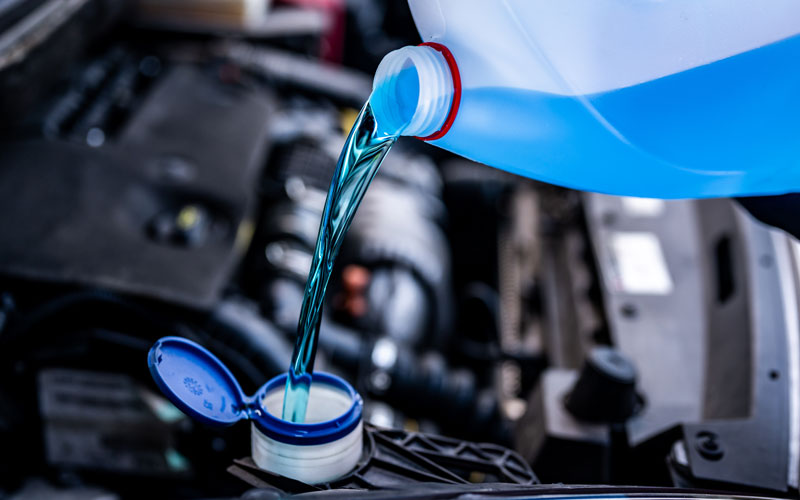
Whether you drive a Hyundai Tucson, Santa Fe, Elantra, Sonata, or another model, maintaining the cooling system helps support dependable performance. Learning how antifreeze and coolant work together allows you to recognize when your vehicle may need attention and how routine maintenance can help protect your engine.
Are Antifreeze and Coolant the Same Thing?
Antifreeze and coolant are closely related terms, but they are not exactly the same. Antifreeze refers to the concentrated fluid that is added to a vehicle’s cooling system to help prevent freezing and overheating. Coolant is the mixture of antifreeze and water that circulates through the engine and radiator.
Most vehicles use coolant made from antifreeze mixed with distilled water. This combination creates the proper balance needed for temperature control and corrosion protection. While many people use the words coolant and antifreeze interchangeably, coolant typically refers to the ready-to-use mixture inside your vehicle.
Key differences between antifreeze and coolant include:
- Antifreeze is the concentrated glycol-based fluid before water is added.
- Coolant is the prepared mixture circulating through the engine cooling system.
- Both fluids help regulate engine temperatures in different weather conditions.
- Proper coolant levels and mixtures help protect internal engine components.
What Is Glycol Radiator Fluid?
Glycol radiator fluid is another term used to describe the main ingredient found in many automotive cooling systems. Most antifreeze products use either ethylene glycol or propylene glycol as their primary base. These glycol compounds provide the temperature protection needed for modern engines.
Ethylene glycol is commonly used because it provides effective freeze and boil protection. Propylene glycol offers similar performance characteristics and is often selected for specific applications. Your Hyundai owner’s manual provides guidance on the recommended coolant type for your vehicle.
Glycol radiator fluid helps your cooling system by:
- Lowering the freezing point of engine coolant during cold temperatures
- Raising the boiling point to help prevent overheating
- Protecting metal components from corrosion
- Supporting consistent engine operation
Using the correct glycol radiator fluid helps maintain the cooling system’s ability to manage heat effectively.
How Does Coolant Work in Your Hyundai?
Your Hyundai’s engine generates significant heat during operation. The cooling system works continuously to move heat away from important engine components and maintain a controlled operating temperature.
Coolant flows through passages inside the engine before traveling to the radiator. The radiator releases excess heat, allowing the coolant to return and continue the process. This cycle helps prevent excessive temperatures that could damage engine components.
A properly maintained cooling system supports:
- Engine temperature regulation during daily driving
- Protection against overheating
- Reduced risk of corrosion inside the cooling system
- Reliable operation in changing weather conditions
Ignoring coolant maintenance can allow the fluid to become contaminated or lose its effectiveness over time.
When Should You Check or Replace Coolant?
Coolant does not require service as frequently as some other vehicle fluids, but it still needs regular inspection. Over time, coolant can break down, lose protective additives, or become contaminated with debris.
Hyundai drivers should review their owner’s manual for recommended coolant inspection and replacement intervals. Driving conditions, climate, and vehicle usage can influence when cooling system service is needed.
Signs that your Hyundai may need coolant service include:
- An overheating engine temperature gauge
- Low coolant levels in the reservoir
- Visible coolant leaks beneath the vehicle
- A sweet smell coming from the engine compartment
- Warning lights related to engine temperature
If you notice any of these signs, scheduling an inspection with trained Hyundai technicians can help identify potential concerns before they become more serious.
Can You Mix Different Types of Coolant?
Mixing different coolant types is not always recommended. Different formulas may contain different additives designed for specific cooling system materials and vehicle requirements. Combining incompatible coolants can reduce performance and may affect corrosion protection.
Before adding coolant, confirm that the product matches your Hyundai’s recommended specifications. Using the correct fluid helps maintain the cooling system’s designed performance.
Important coolant maintenance tips include:
- Check your owner’s manual before selecting coolant.
- Avoid mixing unknown coolant types.
- Use the recommended glycol-based radiator fluid for your Hyundai.
- Allow the engine to cool before checking coolant levels.
When in doubt, the service team at Cooper Hyundai can help identify the appropriate coolant for your vehicle.
Protect Your Hyundai Cooling System at Cooper Hyundai
Understanding the difference between antifreeze and coolant helps you make better decisions when caring for your Hyundai. Glycol radiator fluid serves an important role in maintaining engine temperature, protecting components, and supporting long-term vehicle performance.
At Cooper Hyundai in Anniston, AL, our service professionals are ready to assist with coolant inspections, maintenance recommendations, and other essential Hyundai services. Whether you need routine maintenance or have questions about your vehicle’s cooling system, our team is here to provide knowledgeable support.
Schedule your next service appointment with Cooper Hyundai to help keep your Hyundai operating smoothly through every season.
Connect with us

Cooper Hyundai

Address
110 S Quintard Avenue
Anniston, AL 36201
Phone
- Sales 256-236-7651
- Service 256-236-7651
- Parts 256-236-7651
| Monday | 8:30AM - 6:30PM |
| Tuesday | 8:30AM - 6:30PM |
| Wednesday | 8:30AM - 6:30PM |
| Thursday | 8:30AM - 6:30PM |
| Friday | 8:30AM - 6:30PM |
| Saturday | 8:30AM - 6:00PM |
| Sunday | Closed |
| Monday | 7:30AM - 5:30PM |
| Tuesday | 7:30AM - 5:30PM |
| Wednesday | 7:30AM - 5:30PM |
| Thursday | 7:30AM - 5:30PM |
| Friday | 7:30AM - 5:30PM |
| Saturday | Closed |
| Sunday | Closed |
| Monday | 7:30AM - 5:30PM |
| Tuesday | 7:30AM - 5:30PM |
| Wednesday | 7:30AM - 5:30PM |
| Thursday | 7:30AM - 5:30PM |
| Friday | 7:30AM - 5:30PM |
| Saturday | Closed |
| Sunday | Closed |