

Blog / Service

How to Defog Car Windows and Keep Your Windshield Clear

How to Defog Car Windows and Keep Your Windshield Clear

Few driving frustrations arrive as quickly as a fogged windshield. One moment you have a perfectly clear view of the road ahead. The next, the glass looks like someone has draped a translucent curtain across it. It is inconvenient, distracting, and, more importantly, a genuine safety concern. 

The good news is that window fogging is not mysterious. Once you understand why it happens, clearing it becomes much easier. For drivers in Anniston, AL, where humid summers and cool winter mornings can both create visibility challenges, a few simple habits can make a significant difference. 

Why Car Windows Fog Up in the First Place 

Window fog forms when moisture in the air condenses on glass. Inside your vehicle, warm air contains water vapor from passengers' breath, damp clothing, shoes, and even the weather outside. When that humid air encounters a cooler windshield or side window, tiny droplets form on the surface of the glass. 

The result is the familiar fogged appearance that reduces visibility. During colder months, warm cabin air typically causes condensation on the inside of the windshield. During hot and humid weather, the opposite can occur, with cooler air-conditioned glass encouraging condensation from the outside environment. Either scenario creates the same problem: you cannot see as clearly as you should. 

The Fastest Way to Clear a Fogged Windshield 

When visibility starts disappearing, speed matters. Your vehicle's front defroster is usually the most effective solution. In many Hyundai models, the defrost setting automatically engages both the heating system and air conditioning compressor. That combination is particularly effective because the air conditioning removes moisture while the heat raises the temperature of the glass. 

Increasing fan speed also helps move conditioned air across the windshield more quickly, accelerating the clearing process. Cracking a side window slightly can help as well. Allowing some outside air into the cabin often reduces humidity levels and helps restore visibility faster than many drivers expect. 

Why You Should Avoid Wiping the Glass 

Many drivers instinctively wipe a fogged windshield with a hand or sleeve. It works temporarily, but it is not a great long-term solution. 

Skin oils and residue transferred to the glass create additional surfaces for moisture to cling to later. Over time, this can make future fogging worse and create glare from headlights at night. 

A clean windshield remains one of the best defenses against recurring fog problems. 

Defrosting a Windshield During Winter 

Cold-weather conditions introduce another challenge: ice. When frost or ice covers the windshield, patience tends to work better than force. Starting the vehicle and allowing the defroster to warm the glass gradually is generally the safest approach. 

Many Hyundai vehicles equipped with remote start make this process especially convenient. The cabin and windshield can begin warming before you even step outside. If ice remains, use a proper ice scraper rather than hot water. Pouring hot water onto frozen glass creates rapid temperature changes that can damage the windshield. 

A quality de-icing spray can also help loosen stubborn ice while reducing scraping effort. 

Small Maintenance Items Make a Big Difference 

Preventing fog often comes down to routine maintenance. A clean windshield is less likely to hold moisture. Replacing worn wiper blades helps maintain visibility during rain and reduces film buildup on the glass. Anti-fog treatments can provide additional protection by making it harder for condensation to form. 

The cabin air filter also plays an important role. When the filter becomes clogged, airflow through the HVAC system decreases, making defrosters less effective. Replacing the cabin air filter at recommended intervals helps keep air moving efficiently throughout the vehicle. 

Persistent interior moisture or recurring fogging can sometimes indicate a leak around a door seal, window, sunroof, or HVAC component. Addressing the source of that moisture often resolves the issue permanently. 

Better Visibility Starts with Good Habits 

Clear windows contribute directly to safer driving. A properly functioning defroster, clean glass, healthy cabin air filter, and a few preventative habits can help minimize fogging throughout the year. 

Drivers throughout Anniston, AL can turn to Cooper Hyundai for cabin air filter replacement, HVAC system inspections, windshield wiper service, and maintenance designed to keep their vehicles operating at their best. A clear windshield may seem like a small detail, but it is one of the most important parts of every safe drive. 

Posted in:

Related Posts

Why Winter Maintenance is Important for Your Hyundai 

Why Winter Maintenance is Important for Your Hyundai

Winter weather puts real stress on your vehicle, even in places where temperatures don't drop dramatically, and snow and ice are rarely, if ever seen. For drivers in Anniston, AL, cooler temperatures and occasional freezes can still take a toll on key vehicle systems. Staying ahead of winter maintenance helps protect your car and keeps your Hyundai running the way it should when conditions get unpredictable. Cold weather affects everything from your battery's ability to hold a charge to how well your tires grip the road. It also impacts fluids throughout the vehicle, making routine checks more important than you might expect during the colder months. Common Types of Winter Maintenance for Your Hyundai There are several areas of winter maintenance that you should take care of before cold weather sets in. Battery inspection is one of the first priorities. Cold temperatures reduce battery efficiency, and a battery that's already weakened may fail to start your vehicle on a chilly morning. more Tire checks are equally important. Cold air causes tire pressure to drop, which can affect handling and braking. Make sure your tires are properly inflated and check the tread depth to ensure safe traction. Antifreeze levels should also be inspected. Antifreeze - also known as coolant - helps prevent your engine from freezing and overheating. Checking your antifreeze concentration before the season changes ensures your cooling system can handle temperature swings effectively. Wiper blades and washer fluid should be looked at as well. Visibility is critical in winter conditions and worn blades or low fluid can put you at a disadvantage on wet or icy roads. Brake inspections round out the basics. Cold weather can accelerate brake wear, and you want to be confident your stopping power is reliable when roads are slick. What Happens If You Skip Winter Maintenance Ignoring winter maintenance doesn't just leave you uncomfortable - it can lead to serious and costly problems. A failing battery could leave you stranded. Low or degraded antifreeze can cause your engine to freeze or overheat, leading to significant damage that requires expensive repairs. Under-inflated tires increase your risk of a blowout or loss of control, especially on wet pavement. Worn wiper blades reduce visibility at exactly the moments you need it most. Deteriorated brakes take longer to respond, which can be dangerous in slippery conditions. The bottom line is that skipping winter maintenance creates risk - for your vehicle and for your safety. Addressing these items before problems develop is always the smarter and more cost-effective choice. Schedule Your Appointment at Cooper Hyundai Don't wait until a small issue becomes a major repair. The service team at Cooper Hyundai is ready to help you prepare your vehicle for the season ahead. From battery and brake inspections to antifreeze checks and tire service, they have the expertise to keep your Hyundai performing at its best all winter long. Schedule your winter maintenance appointment today.

Is Antifreeze and Coolant the Same Thing? Understanding Glycol Radiator Fluid for Your Hyundai

Is Antifreeze and Coolant the Same Thing? Understanding Glycol Radiator Fluid for Your Hyundai

Your Hyundai’s cooling system plays an important role in maintaining proper engine temperature and protecting critical components. Many drivers hear the terms antifreeze and coolant used interchangeably, but understanding the difference between these fluids helps you make informed maintenance decisions. At Cooper Hyundai in Anniston, AL, we help drivers understand essential vehicle care topics, including glycol radiator fluid, coolant maintenance, and the importance of using the correct fluids for their Hyundai. Whether you drive a Hyundai Tucson, Santa Fe, Elantra, Sonata, or another model, maintaining the cooling system helps support dependable performance. Learning how antifreeze and coolant work together allows you to recognize when your vehicle may need attention and how routine maintenance can help protect your engine. Are Antifreeze and Coolant the Same Thing? Antifreeze and coolant are closely related terms, but they are not exactly the same. Antifreeze refers to the concentrated fluid that is added to a vehicle’s cooling system to help prevent freezing and overheating. Coolant is the mixture of antifreeze and water that circulates through the engine and radiator. Most vehicles use coolant made from antifreeze mixed with distilled water. This combination creates the proper balance needed for temperature control and corrosion protection. While many people use the words coolant and antifreeze interchangeably, coolant typically refers to the ready-to-use mixture inside your vehicle. Key differences between antifreeze and coolant include: Antifreeze is the concentrated glycol-based fluid before water is added. Coolant is the prepared mixture circulating through the engine cooling system. Both fluids help regulate engine temperatures in different weather conditions. Proper coolant levels and mixtures help protect internal engine components. What Is Glycol Radiator Fluid? Glycol radiator fluid is another term used to describe the main ingredient found in many automotive cooling systems. Most antifreeze products use either ethylene glycol or propylene glycol as their primary base. These glycol compounds provide the temperature protection needed for modern engines. Ethylene glycol is commonly used because it provides effective freeze and boil protection. Propylene glycol offers similar performance characteristics and is often selected for specific applications. Your Hyundai owner’s manual provides guidance on the recommended coolant type for your vehicle. Glycol radiator fluid helps your cooling system by: Lowering the freezing point of engine coolant during cold temperatures Raising the boiling point to help prevent overheating Protecting metal components from corrosion Supporting consistent engine operation Using the correct glycol radiator fluid helps maintain the cooling system’s ability to manage heat effectively. How Does Coolant Work in Your Hyundai? Your Hyundai’s engine generates significant heat during operation. The cooling system works continuously to move heat away from important engine components and maintain a controlled operating temperature. Coolant flows through passages inside the engine before traveling to the radiator. The radiator releases excess heat, allowing the coolant to return and continue the process. This cycle helps prevent excessive temperatures that could damage engine components. A properly maintained cooling system supports: Engine temperature regulation during daily driving Protection against overheating Reduced risk of corrosion inside the cooling system Reliable operation in changing weather conditions Ignoring coolant maintenance can allow the fluid to become contaminated or lose its effectiveness over time. When Should You Check or Replace Coolant? Coolant does not require service as frequently as some other vehicle fluids, but it still needs regular inspection. Over time, coolant can break down, lose protective additives, or become contaminated with debris. Hyundai drivers should review their owner’s manual for recommended coolant inspection and replacement intervals. Driving conditions, climate, and vehicle usage can influence when cooling system service is needed. Signs that your Hyundai may need coolant service include: An overheating engine temperature gauge Low coolant levels in the reservoir Visible coolant leaks beneath the vehicle A sweet smell coming from the engine compartment Warning lights related to engine temperature If you notice any of these signs, scheduling an inspection with trained Hyundai technicians can help identify potential concerns before they become more serious. Can You Mix Different Types of Coolant? Mixing different coolant types is not always recommended. Different formulas may contain different additives designed for specific cooling system materials and vehicle requirements. Combining incompatible coolants can reduce performance and may affect corrosion protection. Before adding coolant, confirm that the product matches your Hyundai’s recommended specifications. Using the correct fluid helps maintain the cooling system’s designed performance. Important coolant maintenance tips include: Check your owner’s manual before selecting coolant. Avoid mixing unknown coolant types. Use the recommended glycol-based radiator fluid for your Hyundai. Allow the engine to cool before checking coolant levels. When in doubt, the service team at Cooper Hyundai can help identify the appropriate coolant for your vehicle. Protect Your Hyundai Cooling System at Cooper Hyundai Understanding the difference between antifreeze and coolant helps you make better decisions when caring for your Hyundai. Glycol radiator fluid serves an important role in maintaining engine temperature, protecting components, and supporting long-term vehicle performance. At Cooper Hyundai in Anniston, AL, our service professionals are ready to assist with coolant inspections, maintenance recommendations, and other essential Hyundai services. Whether you need routine maintenance or have questions about your vehicle’s cooling system, our team is here to provide knowledgeable support. Schedule your next service appointment with Cooper Hyundai to help keep your Hyundai operating smoothly through every season.

Check engine light - Understanding Dash Lights: What They Mean for Anniston Drivers

Understanding Dash Lights: What They Mean for Anniston Drivers

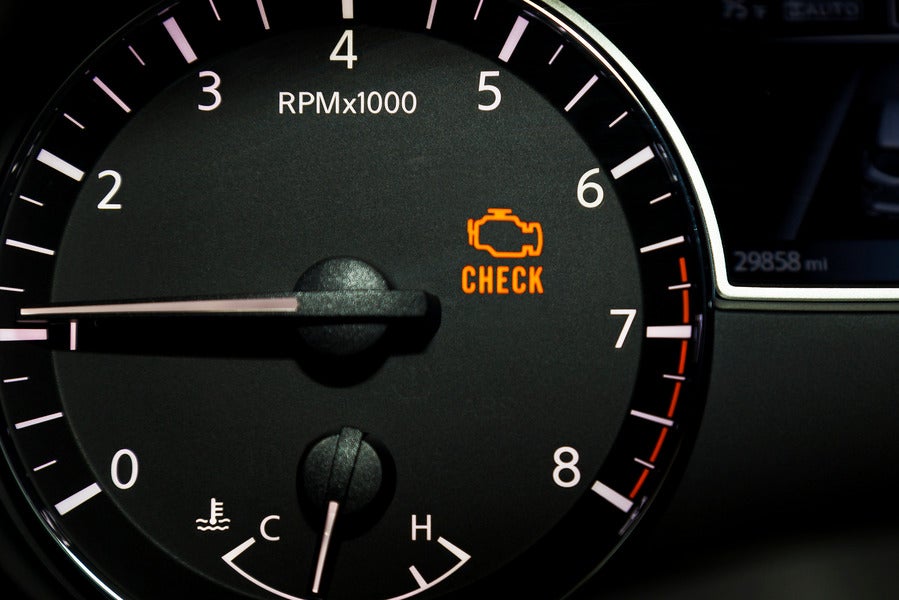
Dash lights are your car’s way of talking to you. Not in a calm, thoughtful, “let’s sit down and discuss this” kind of way. More like a sudden blinking message that says, “Hey. Something’s happening. You might want to pay attention!” Some of these lights are harmless. Some are not. The trick is knowing which is which before you decide to ignore it and hope it goes away on its own, which, for the record, is rarely a winning strategy. Common Dash Lights and Their Meanings Check Engine Light This is the one that causes immediate suspicion. The check engine light can mean something minor, like a loose gas cap, or something more serious that will not politely fix itself. more If it is steady, you have a little time to get it checked. If it is flashing, that is your car’s version of urgency. That is not a suggestion. That is a “please stop ignoring me” situation. Battery Warning Light This light points to your charging system. It could be the battery, the alternator, or wiring that has decided to stop cooperating. If it comes on while you are driving, your vehicle is running on borrowed time. Once the battery drains, the car stops. Not gradually. Just stops. It is best to head somewhere safe before that happens. Oil Pressure Warning Light This one is serious in a quiet, no-nonsense way. Low oil pressure means the engine is not being properly lubricated. Driving with this light on is like running a marathon with no water. Things wear out fast, and the damage is not subtle. If this light appears, it is time to shut the engine down and figure out what is going on. How to Respond to Dash Lights Immediate Action vs. Routine Maintenance Not every light means panic. The low fuel light is just your car reminding you that gas stations exist. Others, like a flashing check engine light or oil pressure warning, are a different story. A good rule is this. If the vehicle still feels normal and the light is steady, you can usually schedule service soon. If something feels off, sounds strange, or the light is flashing, it deserves immediate attention. Consult Your Owner’s Manual Every vehicle has its own set of symbols, and some of them look like they were designed by someone who enjoys puzzles. Your owner’s manual explains what each light means and how seriously you should take it. It is worth keeping handy, especially the first time a symbol appears that you have never seen before. Get Clear Answers in Anniston, AL Dash lights are not there to annoy you. They are there to keep small problems from becoming expensive ones. At Cooper Hyundai, we use proper diagnostic tools to figure out exactly what triggered the warning. No guessing, no unnecessary replacements, just a clear answer and the right fix so you can get back on the road without worry.