



Hybrid vehicles have become a popular choice for drivers looking for improved fuel efficiency, modern technology, and a different approach to everyday driving. By combining a gasoline engine with an electric motor, hybrid cars provide an alternative to traditional gas-powered vehicles while offering many benefits for commuters, families, and environmentally conscious drivers.
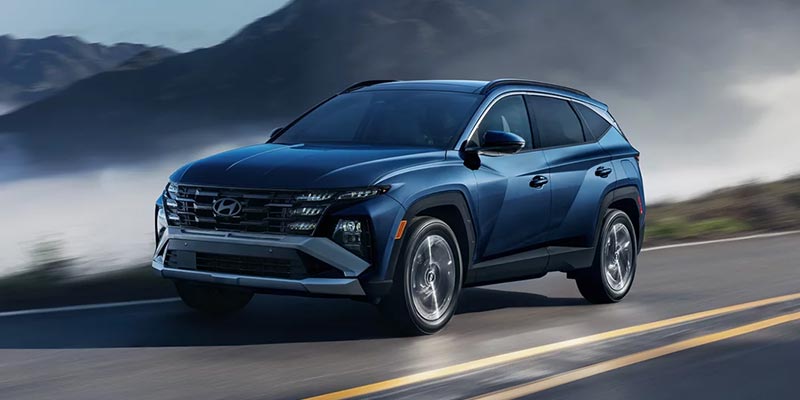
At Cooper Hyundai in Anniston, AL, we help drivers understand the advantages and considerations of hybrid ownership. Whether you are comparing your next vehicle options or researching how hybrid technology works, understanding the pros and cons of hybrid cars can help you determine if this type of vehicle matches your driving needs.
How Hybrid Cars Work
Hybrid cars use two sources of power: a gasoline engine and an electric motor powered by a rechargeable battery pack. Instead of relying only on gasoline, hybrid vehicles use electric assistance during certain driving conditions to improve efficiency.
The vehicle’s computer system automatically manages when to use the gasoline engine, electric motor, or both. During low-speed driving, a hybrid may rely more on electric power. During acceleration or higher-speed driving, the gasoline engine provides additional support.
Hybrid technology helps deliver:
- Improved fuel efficiency during daily commuting
- Reduced fuel consumption compared to many traditional vehicles
- Smooth transitions between electric and gasoline power
- Regenerative braking that helps recharge the battery
Pros of Hybrid Cars
One of the biggest advantages of hybrid vehicles is their ability to provide excellent fuel efficiency. Drivers who spend a significant amount of time commuting or navigating city streets may benefit from reduced fuel usage compared to similar non-hybrid models.
Hybrid vehicles offer several benefits for drivers who prioritize efficiency and convenience.
Improved Fuel Efficiency
Fuel efficiency is one of the main reasons drivers consider hybrid vehicles. The combination of electric assistance and gasoline power allows hybrid cars to use less fuel in many driving situations.
Benefits of improved fuel efficiency include:
- Fewer trips to the gas station
- Better mileage during stop-and-go driving
- More efficient daily commuting
- Reduced dependence on gasoline consumption
For drivers with long commutes or frequent city driving, a hybrid vehicle’s fuel efficiency can be an important advantage.
Regenerative Braking Technology
Hybrid vehicles use regenerative braking systems to capture energy that is normally lost during braking. This energy helps recharge the hybrid battery, allowing the vehicle to reuse power that would otherwise be wasted.
Regenerative braking provides:
- Additional battery charging during normal driving
- Improved energy management
- Less reliance on traditional charging methods
- Increased overall efficiency
This technology allows hybrid vehicles to maximize the energy they already produce during operation.
Smooth and Quiet Driving Experience
Hybrid cars often provide a quieter driving experience because the electric motor can operate without the same engine noise associated with traditional gasoline vehicles. This is especially noticeable during low-speed driving and idling situations.
Drivers may appreciate:
- Quiet operation in electric mode
- Smooth acceleration
- Responsive performance in everyday driving
- Reduced engine activity during certain conditions
Cons of Hybrid Cars
While hybrid vehicles offer many benefits, they may not be the right choice for every driver. Understanding the potential drawbacks helps you make a more informed decision.
Higher Initial Purchase Considerations
Hybrid vehicles often include advanced technology, including electric motors and battery systems. This technology can influence the overall cost compared to some traditional gasoline-powered vehicles.
Drivers should consider:
- Their driving habits
- Expected ownership length
- Fuel savings over time
- Vehicle features and capabilities
A hybrid vehicle may provide the most value for drivers who regularly take advantage of its fuel efficiency benefits.
Battery Replacement Considerations
Hybrid vehicles use battery packs designed for long-term operation. Like any vehicle component, batteries may eventually require service or replacement after extended use.
Important factors include:
- Following recommended maintenance schedules
- Understanding warranty coverage
- Having inspections completed by qualified technicians
- Maintaining proper vehicle care
Modern hybrid systems are designed for durability, but battery maintenance remains an important part of ownership.
Different Driving Characteristics
Hybrid vehicles may feel different compared to traditional gasoline vehicles. Some drivers may notice differences in acceleration, engine operation, or braking feel due to the interaction between electric and gasoline power.
Drivers considering a hybrid should evaluate:
- How the vehicle feels during test drives
- Daily driving requirements
- Comfort preferences
- Performance expectations
A test drive provides the best opportunity to experience how hybrid technology works in real-world conditions.
Are Hybrid Cars Good for Long-Distance Driving?
Hybrid vehicles can be effective options for many types of driving, including longer trips. While city driving often allows hybrids to maximize their electric assistance, modern hybrid systems are designed to provide efficient performance across different road conditions.
Factors that influence hybrid fuel efficiency include:
- Driving speed
- Road conditions
- Weather conditions
- Vehicle load
- Maintenance habits
Drivers who maintain consistent service schedules can help their hybrid vehicle continue delivering reliable performance.
Hybrid Cars vs. Traditional Gas Vehicles
Choosing between a hybrid and a traditional gasoline vehicle depends on your priorities. Some drivers value maximum fuel efficiency, while others prioritize towing capability, performance, or vehicle cost.
Hybrid vehicles may be a strong option for drivers who:
- Want improved fuel efficiency
- Spend significant time commuting
- Prefer advanced vehicle technology
- Want a vehicle designed around energy conservation
Traditional gasoline vehicles may better fit drivers who:
- Need specific performance capabilities
- Prefer conventional engine operation
- Frequently travel in areas with different fuel needs
Understanding your driving habits is the best way to determine which vehicle type fits your lifestyle.
Explore Hybrid Vehicle Options at Cooper Hyundai
Hybrid cars provide a unique combination of gasoline power and electric technology designed to improve fuel efficiency and everyday driving convenience. While hybrid vehicles offer benefits such as reduced fuel consumption, regenerative braking, and smooth operation, drivers should also consider factors like ownership costs and driving preferences.
At Cooper Hyundai in Anniston, AL, our team can help you explore available hybrid models, compare vehicle options, and learn more about the technology behind hybrid driving. Whether you are interested in improving efficiency or simply exploring modern vehicle options, we are here to help you find the right Hyundai for your needs.
Connect with us

Cooper Hyundai

Address
110 S Quintard Avenue
Anniston, AL 36201
Phone
- Sales 256-236-7651
- Service 256-236-7651
- Parts 256-236-7651
| Monday | 8:30AM - 6:30PM |
| Tuesday | 8:30AM - 6:30PM |
| Wednesday | 8:30AM - 6:30PM |
| Thursday | 8:30AM - 6:30PM |
| Friday | 8:30AM - 6:30PM |
| Saturday | 8:30AM - 6:00PM |
| Sunday | Closed |
| Monday | 7:30AM - 5:30PM |
| Tuesday | 7:30AM - 5:30PM |
| Wednesday | 7:30AM - 5:30PM |
| Thursday | 7:30AM - 5:30PM |
| Friday | 7:30AM - 5:30PM |
| Saturday | Closed |
| Sunday | Closed |
| Monday | 7:30AM - 5:30PM |
| Tuesday | 7:30AM - 5:30PM |
| Wednesday | 7:30AM - 5:30PM |
| Thursday | 7:30AM - 5:30PM |
| Friday | 7:30AM - 5:30PM |
| Saturday | Closed |
| Sunday | Closed |